At a free tree removal estimate, we visit your property, look at the tree and its surroundings, and discuss whether removal is needed. We explain the recommended work so you understand what we’re suggesting and why.
You don’t need to know what’s wrong before calling us. A dead limb, a change in the tree’s lean, or concern about your roof is enough to start the conversation.
The visit gives you a clearer plan, with room for questions and no commitment to hire us. Here’s what you can expect when we come out.
Key Takeaways
- We look at the tree’s condition and what surrounds it before recommending work.
- Removal isn’t always necessary. Pruning or other care may be appropriate when the tree can safely remain.
- Access, nearby structures, and cleanup belong in the discussion about the proposed work.
- The estimate visit is separate from the removal workday, and scheduling depends on the agreed work and conditions.
- Stay clear of damaged trees and hanging limbs while waiting for professional help.
What We Look At During the Visit
We start by making sure we’re looking at the right tree and understanding your concern. Tell us what you’ve noticed, when it changed, and what you’d like addressed. You don’t need to use tree-care terms. Plain descriptions help.
Looking at the tree and what surrounds it
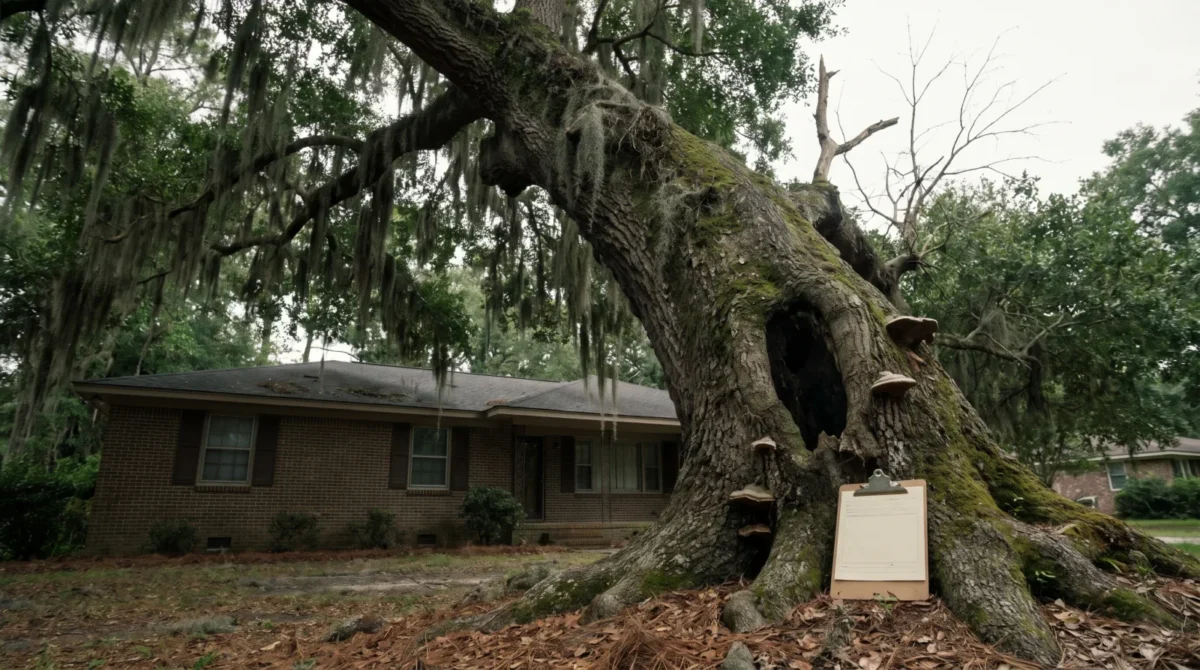
We look for visible problems such as dead or hanging limbs, trunk damage, cracks, and lean. We also consider tree height and trunk diameter, along with the tree’s position. A branch over an open part of the yard presents a different concern than one over your driveway.
We also look at nearby roofs, fences, parked vehicles, and power lines. Those surroundings affect both the concern and the plan for working around the tree.
Appearance alone doesn’t settle whether a tree is dangerous. A tree can have green leaves and still have structural problems. A lean also needs context, including whether it’s changed.
Talking through the work and the site plan
If we recommend tree removal, we explain what needs to come down and how the crew can reach it. We consider access difficulty, including tight access around gates and fences or limited space for equipment.
We talk about what needs protection and what cleanup the scope includes, such as debris removal. Tell us about anything that isn’t obvious, such as a gate that won’t open fully or an area equipment shouldn’t cross.
Before we finish, you should understand the proposed work and the next step. Ask us to explain anything that sounds unclear. You shouldn’t have to guess whether we’re discussing one limb, the whole tree, or additional work.
How We Decide Whether a Tree Should Come Down or Can Be Saved
We consider the tree condition, its location, and what could happen if a part fails. Calling about removal doesn’t mean removal will be our recommendation.
Signs that a tree may be dangerous
A new or worsening lean, dead or diseased limbs, major cracks, root movement, and storm damage deserve attention. We look at how those signs fit together rather than treating one feature as a diagnosis.
Movement around the base can point to trouble with the roots that hold the tree upright. A split where large limbs join can raise a different concern. Both need an on-site look.
These signs call for an arborist’s assessment, but they aren’t enough for a diagnosis over the phone. Don’t climb the tree or stand beneath a damaged limb to get a closer look.
When care may be an option instead of removal
If the tree can safely remain, tree trimming and pruning may address dead limbs or clearance concerns. Other preservation work may be worth discussing when the tree’s structure supports it.
We won’t promise every tree can be saved. Severe damage, advanced decline, or a location that leaves no reasonable way to manage the concern may make removal the sound recommendation.
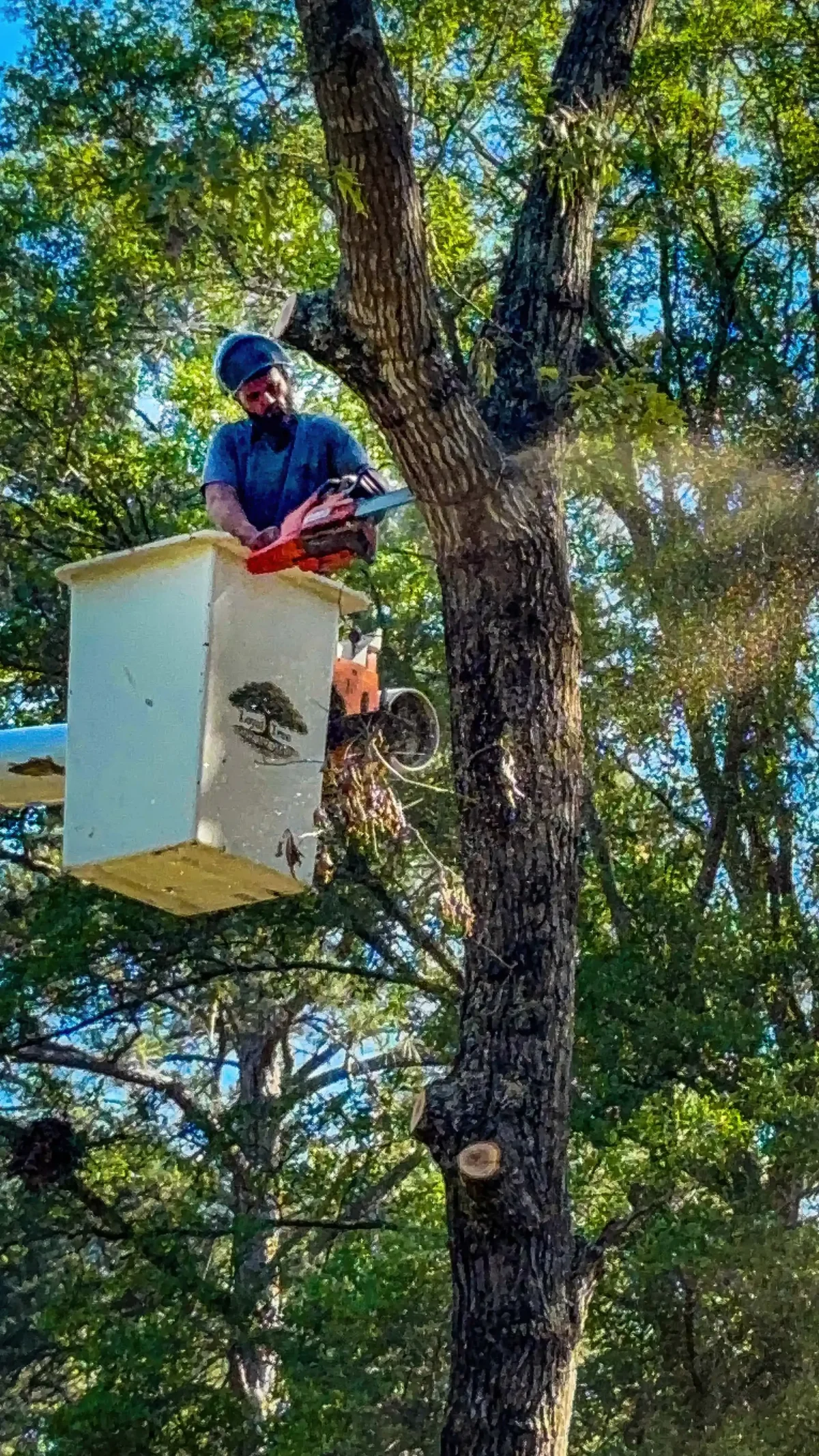
Large limbs, damaged trees, and work near buildings or utility lines call for a qualified arborist. Those jobs involve more than deciding where to make a cut.
What Local Trees, Weather, and Property Rules Can Change
Around Effingham County and the Savannah area, the tree and the property need to be considered together. Pines, live oaks, sandy soil, and storm season can affect what we examine and how we plan the work. A recommendation has to fit the place where the tree is growing.
Pines and broadleaf trees each bring different concerns
We look at the individual tree’s trunk, roots, branches, and growing space. Pines and live oaks have different growth patterns, but the tree type alone doesn’t tell us whether it should stay or come down.
A broad canopy reaching over a house needs attention to the condition and attachment of those limbs. A tree with a damaged trunk calls for a different look. We explain the concern we can see rather than treating every tree of the same type alike.
How the tree has grown matters, too. Branch arrangement, old damage, and nearby structures help us understand what work makes sense. Sandy soil can also affect what we examine around the roots.
The surrounding property shapes the plan
Wind exposure and existing storm damage are part of the assessment, especially during storm season. We also consider what a failing branch or trunk could reach, including buildings and areas people use.
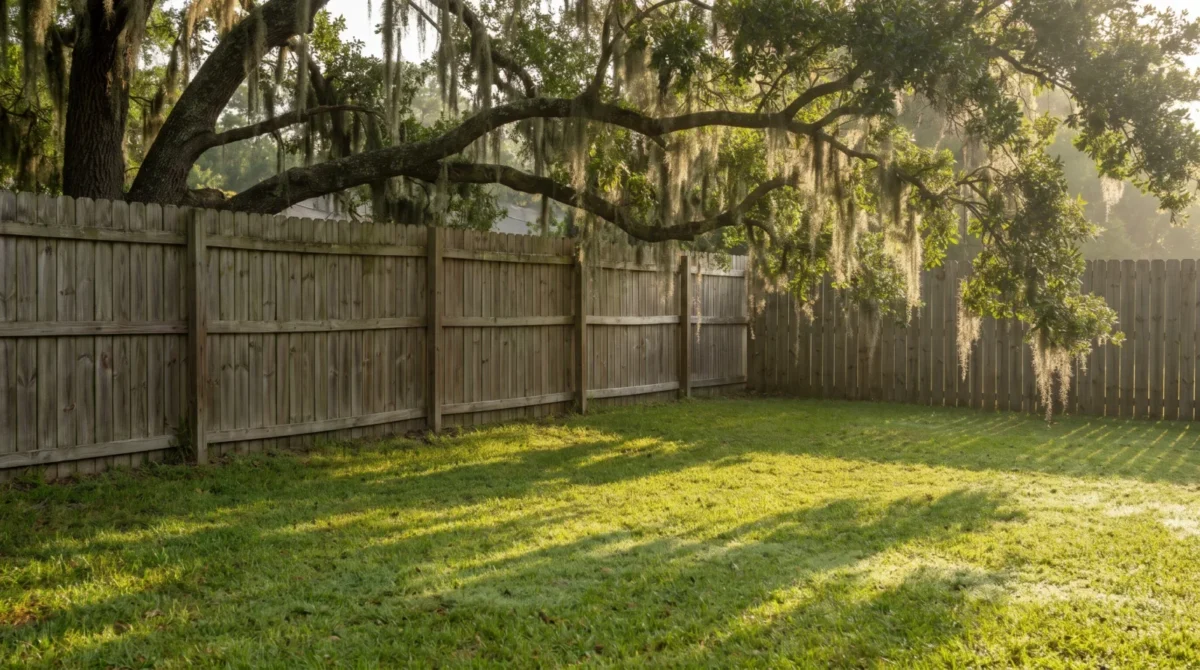
Property access can change the work plan even when two trees look similar. A fenced backyard gives the crew different working room than an open driveway.
Tell us where equipment can travel and which areas need protection. We’ll include those limits in the discussion before agreeing on the work.
Before removal is scheduled, check with the relevant local authority because tree removal permit rules in Georgia vary by municipality and property. HOA rules may also apply and are separate from county or municipal requirements.
How to Prepare for the Visit and What Happens Afterward
You don’t need to do any tree work before we arrive. A little information about the property makes the conversation easier.
A short checklist makes the conversation easier
Have these details ready to share from a safe location:
- Point out the tree and nearby structures you’re concerned about.
- Describe changes you’ve noticed, including broken limbs or damage after a storm.
- Mention locked gates, narrow access, pets, or areas equipment shouldn’t enter.
- Tell us what you’d like left in place, removed, or protected during the work.
Photos taken before a change can help explain what you’re noticing. You don’t need to take new pictures if doing so would put you under damaged limbs or near an unstable tree.
If a fallen tree or another tree hazard creates an urgent risk, keep clear and seek prompt professional help. Our storm damage and emergency tree service handles emergency removal separately from routine planning.
The estimate is separate from the workday
The estimate appointment is for looking, listening, and explaining the proposed work. It’s separate from the day the crew performs the removal.
Review the written scope before deciding. If more than one tree is involved, confirm the agreed work is clear per tree. Make sure the scope identifies each tree and the cleanup you discussed.
If you want the stump addressed after removal, ask whether stump grinding or stump removal is included. Don’t assume either is part of the agreed work.
An online tree removal cost calculator or national average can’t account for the specific tree, site access, crew needs, equipment, and agreed work. Prices per foot and an hourly rate also vary with those details. Labor costs and equipment costs depend on the job, so the free on-site estimate gives the useful tree removal cost for your property.
Scheduling depends on the agreed scope, crew availability, and weather. We discuss the next steps without asking you to make a rushed decision.
When to Call Us for a Free Tree Removal Estimate
Call when a tree is dead, leaning, storm-damaged, too close to a structure, or giving you concern you can’t settle by looking at it. You don’t have to wait until a limb breaks to ask for an on-site opinion.
We’re LoyalTree, a family-owned, licensed and insured tree service serving Guyton, Rincon, Springfield, Bloomingdale, Effingham County, Richmond Hill, Pooler, and Savannah. If you’re comparing licensed contractors, ask about insurance. We want you to understand what needs attention and what can reasonably stay.
Tell us what you’re seeing, your ZIP code, and whether anything has changed recently. That helps us confirm our service area and understand your concern before the visit. If you’re unsure how to describe it, start with what made you notice the tree.
When you’d like us to take a look, request a free estimate or call (912) 342-0440.
Want the bigger picture first? See how our tree removal works, what goes into tree removal cost, and where we work around Springfield and the rest of Effingham County.
Frequently Asked Questions
Do I need to be home during the estimate?
Being there helps you point out the right tree, explain your concerns, and ask questions as we look. If you can’t be present, let us know when arranging the visit. We can discuss what information and access we need before the appointment.
Is a tree removal estimate the same as a tree risk assessment?
A removal estimate focuses on the proposed work and its scope. A tree risk assessment looks more closely at the tree’s condition, possible failure, and what it could hit. Tell us whether you’re planning removal or want to understand the tree’s risk so we can discuss the right visit.
Can you assess a tree after a storm?
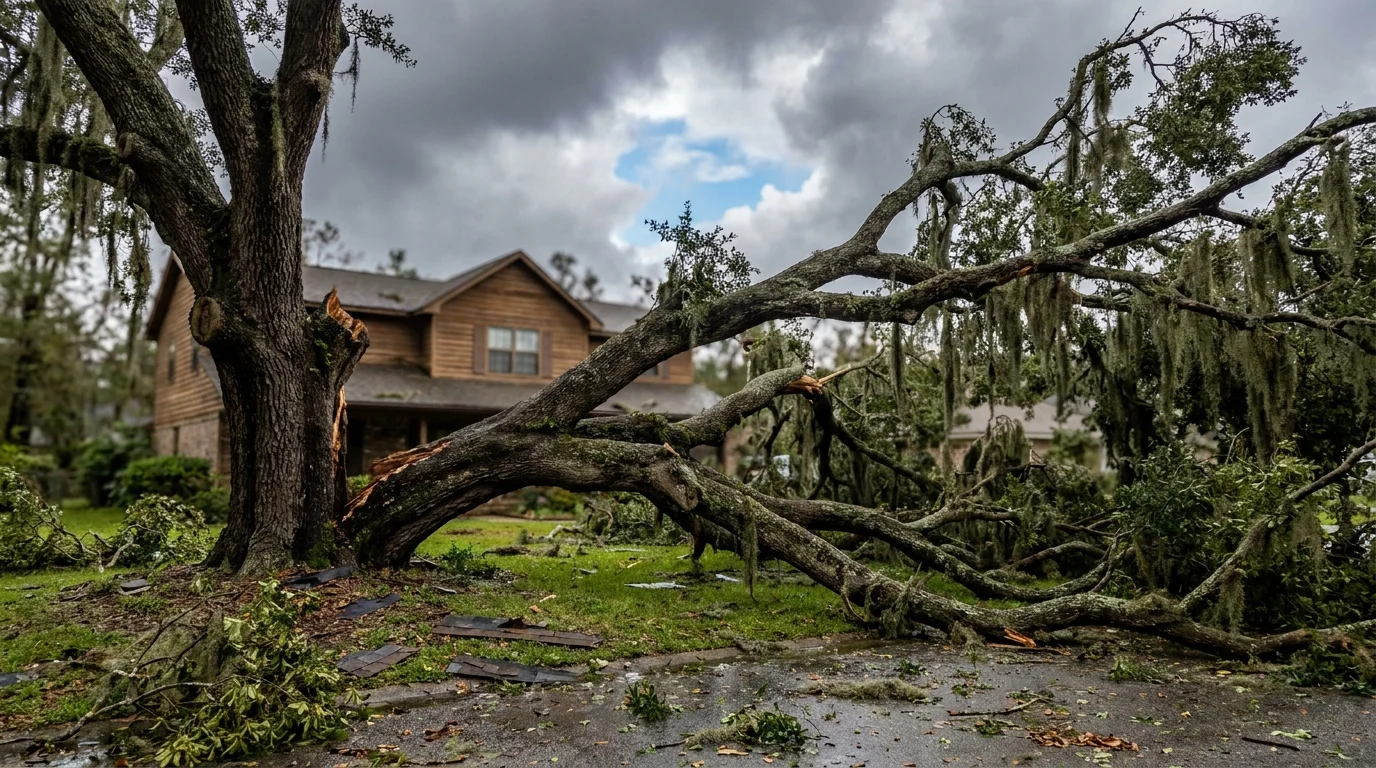
Yes. We assess storm-damaged trees, but broken limbs and partially fallen trees can be unsafe to approach. Tell us if the tree is near your home or blocking an access route, and keep people and pets clear while waiting for help. Don’t try to move hanging limbs yourself.
Do I need a local permit for tree removal in Effingham County?
Requirements may depend on the municipality and property. Check with the relevant local authority before scheduling removal, and check separately for any HOA rules that apply to your property.
What if I am not sure the tree needs to be removed?
That’s a good reason to ask us to look. You don’t need to decide on removal before arranging a visit. We’ll explain what we find and whether keeping the tree, caring for it, or removing it makes sense based on its condition and location.
A Clear Plan Before You Make a Decision
A tree removal estimate gives you time to understand the tree’s condition, the recommended work, and what happens next. You should leave the conversation knowing what’s included and why we’re recommending it.
We want you to have clear answers before you decide. Whether the tree needs to come down or can stay with care, we’ll talk it through in plain English.
When you’re ready, request a free estimate or call (912) 342-0440.
Written by LoyalTreeFamily-owned, licensed and insured tree service based in Guyton, working Effingham County and coastal Georgia. 20 years of experience, 24/7 storm response.