Should you trim those overgrown shrubs now, wait for a better season, or call for help? Around Guyton, Rincon, Springfield, Bloomingdale, Richmond Hill, Pooler, and Savannah, the answer depends on the plant, when it blooms, how hard you plan to cut, and Georgia weather.
Knowing when to trim bushes can save next year’s flowers and protect a healthy shrub from unnecessary stress. A bad cut before summer heat, a hard trim before cold weather, or a quick shear through developing blooms can leave a plant looking worse instead of better.
The best time to prune depends on the shrub, its bloom time, and the weather. A calendar helps, but the shrub in front of you tells the bigger story.
Key Takeaways
- Trim spring-blooming shrubs after their flowers fade, not before.
- Late winter often works well for many summer bloomers and deciduous shrubs.
- Light shaping preserves a shrub’s natural shape, while hard pruning may be needed for severe overgrowth.
- Avoid major trimming before extreme heat, tropical weather, or a hard cold snap.
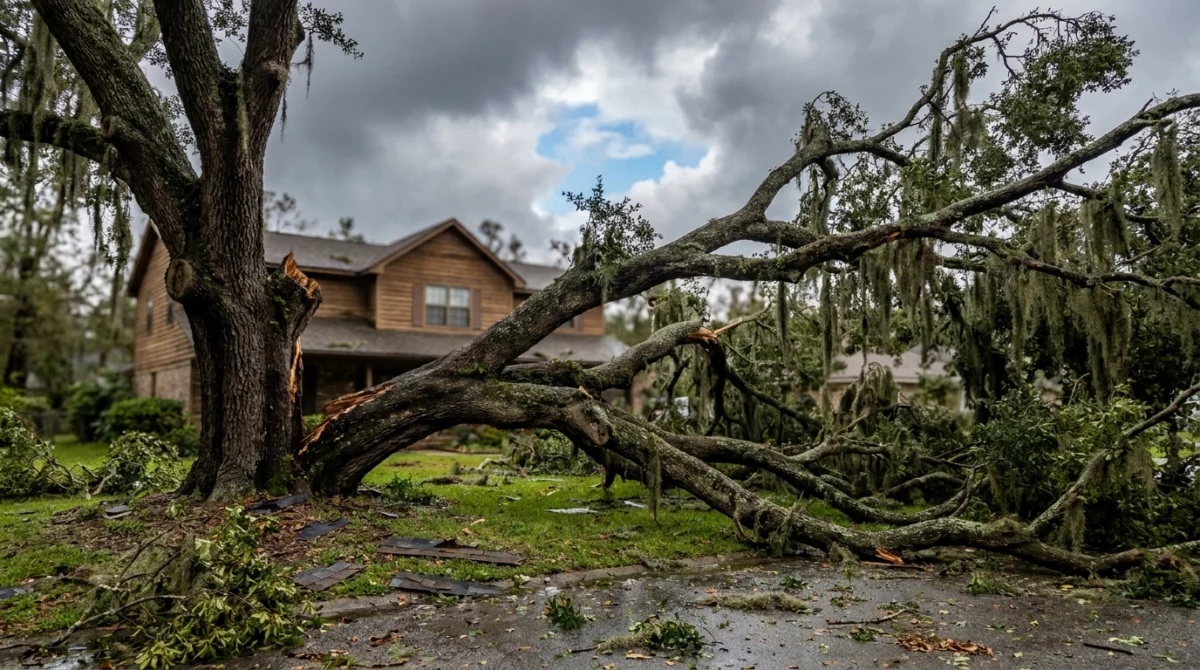
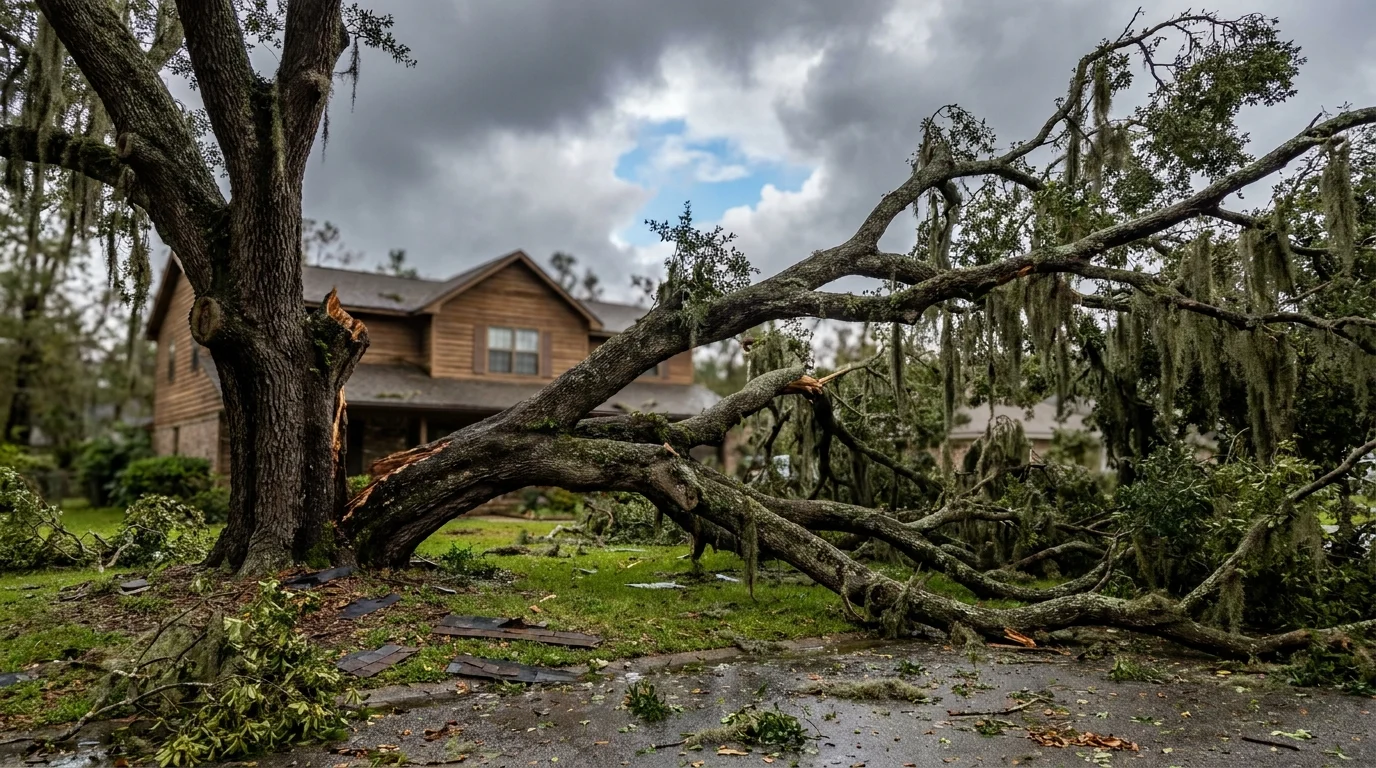
- Dead, broken, high, or storm-damaged limbs can turn a trimming question into a safety issue.
When to Trim Bushes in Georgia by Season
There is no single date for every yard in Effingham County. The best time to prune depends on local weather and the shrub’s growth cycle. Coastal Georgia warms up earlier than much of the state, and a mild February can wake plants up ahead of schedule. Watch for swelling buds, fresh leaves, recent blooms, and dry weather instead of trusting one weekend on the calendar.
Late winter works for many shrubs
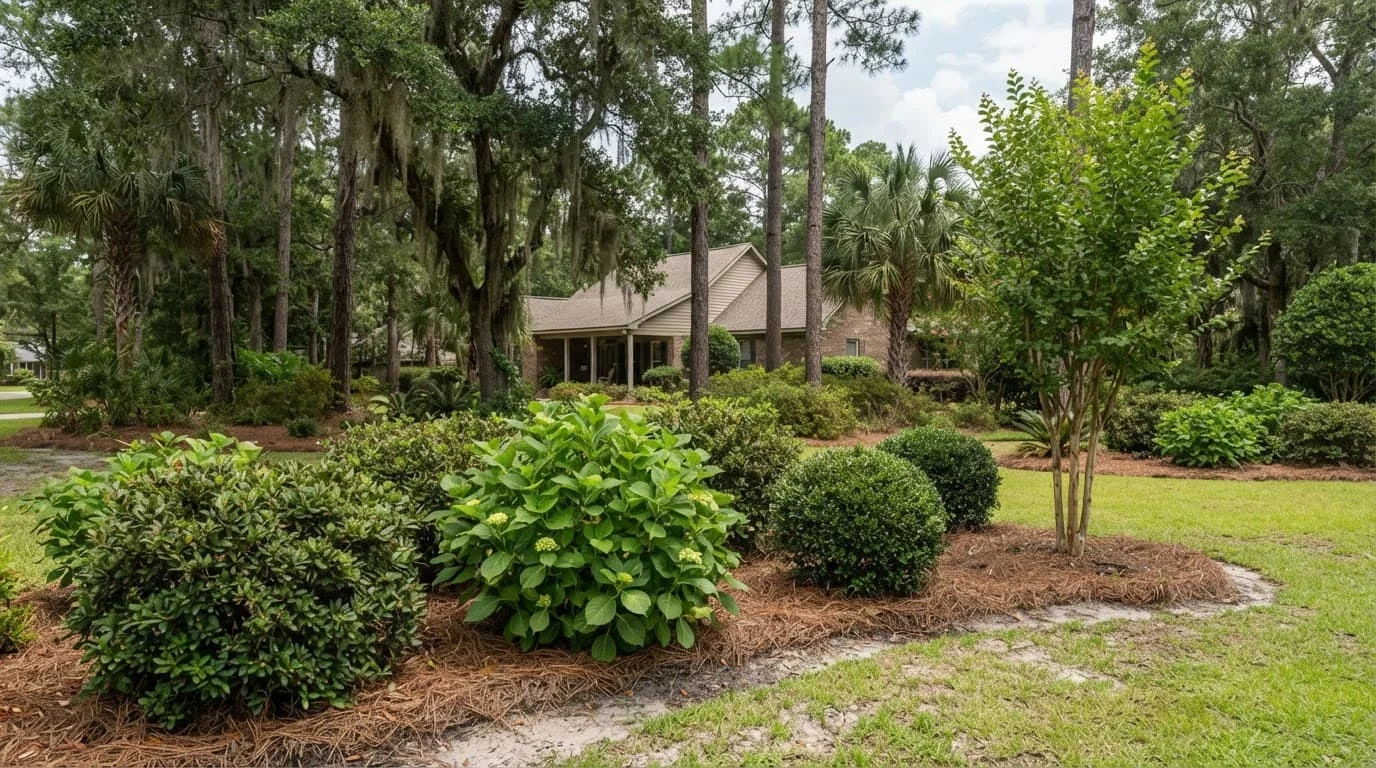
Late winter into early spring is often a good time for spring flowering shrubs that bloom on new wood. Many deciduous shrubs are in their dormant season, so you can see crossed branches and dead wood more clearly.
This is also when a neglected shrub may need renewal pruning, a planned method for restoring woody, overgrown growth. It isn’t the same as routine cleanup or broad hard pruning. Renewal work may involve heading back selected branches to a bud instead of removing entire limbs.
A plant that has gone woody, thin, and bare at the base may need a careful plan instead of a quick haircut.
Spring and summer call for lighter work
Spring bloomers should usually be trimmed soon after flowering to protect next season’s flower buds. The old rule from UGA Extension’s pruning guidance is useful: plants that bloom before May are generally pruned after they flower.
During summer, summer pruning should generally stay limited to light shaping and removal of dead or damaged growth. A heavy cut in July heat can stress a shrub that is already working hard to hold moisture.
Fall is usually not the time for major pruning. Fresh, tender growth may not have time to toughen up before colder weather. It is also a poor time to make big cuts right before storm season’s late push.
Maintenance trimming removes a little unwanted growth. Hard pruning removes a lot. Treating those jobs the same is where many shrubs get cut too hard.
The Best Trimming Time Depends on the Shrub
Plant names and growth habits matter. Deciduous shrubs, evergreen shrubs, and other plants may need trimming months apart. Identify each plant by its mature size before cutting. If you’re unsure, its botanical name can help confirm the right pruning guidance. Keep cuts light until you know what you have.
Flowering shrubs need their buds protected
Azaleas, camellias, gardenias, and loropetalum are spring flowering shrubs that often form next year’s blooms on old wood. Trim azaleas and loropetalum after spring flowers finish. Shape gardenias after their main bloom, and prune camellias after flowering, before they set the next round of flower buds.
Hydrangeas need extra care. Some types flower on old wood, while others bloom on new wood. Prune old-wood hydrangeas after flowering, but handle new-wood types before new growth begins. Cut an old-wood hydrangea at the wrong time, and you may remove every flower bud for the next season. UGA’s advice on spring-blooming shrubs is a good reminder to prune based on bloom time, not habit.
A neglected shrub may need renewal pruning instead of routine shaping. Selective cuts can restore structure without removing too much growth at once.
Hedges and summer bloomers have different needs
Hollies, ligustrum, and other evergreen shrubs can take light shaping during active growth. An informal hedge usually benefits from selective cuts that preserve its natural shape. A formal hedge may need more consistent lines, but don’t repeatedly use hedge shears to create a thin outer shell.
Repeated shearing can leave the inside bare, reducing air circulation and making it harder for the hedge to fill back in. Use thinning cuts to open crowded growth and heading back to shorten selected branches without stripping away the interior.
Roses and crape myrtles are often trimmed in late winter or early spring, during the dormant season. With crape myrtles, remove dead, rubbing, or poorly placed limbs. Don’t chop healthy trunks down to stubs every year.
The same idea applies to shrubs and trees: each one needs its own plan. Our tree trimming and pruning work focuses on plant health and healthy structure, not making every plant look identical.
Georgia Weather and Local Conditions Change the Plan
A shrub in sandy Guyton soil can dry out quickly after trimming. One planted in heavier clay near Springfield may hold too much water around its roots after a hard rain. Both can struggle, but for different reasons.
Hot, humid summers put freshly cut plants under stress. Heat, drought, saturated soil, and storm exposure can all affect plant health. If a heat wave is coming, wait on non-urgent work. The same goes for a forecasted tropical system or a line of strong thunderstorms.
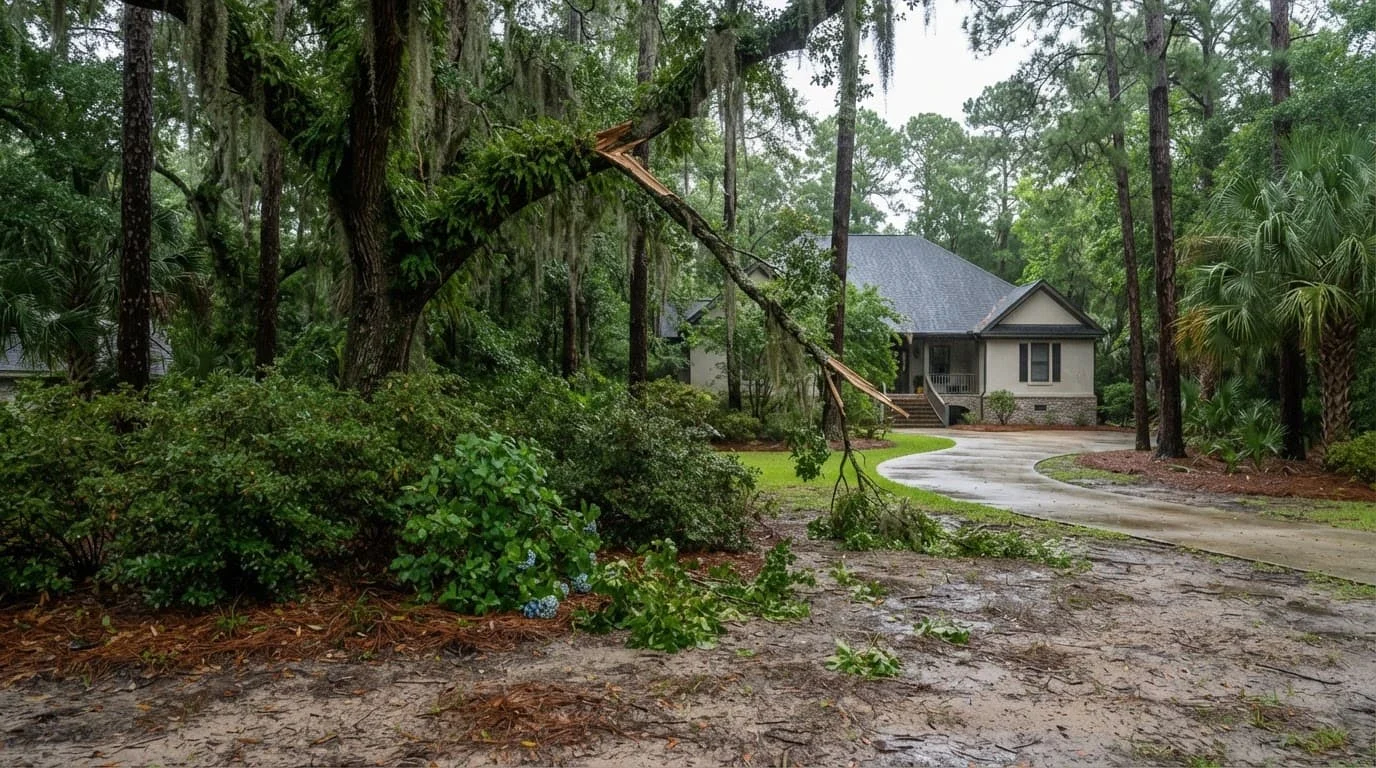
Hurricane season runs from June through November. Trimming can’t promise storm protection, but removing dead, weak, crossing, and overcrowded growth can improve air circulation and the shrub’s condition. UGA’s fall pruning guidance also cautions against cuts that encourage tender regrowth before cold weather, which can increase winter injury.
On older lots, large live oaks, water oaks, loblolly pines, and slash pines can change how much sun and water shrubs receive. A fallen limb can suddenly expose shade-loving evergreen shrubs to intense afternoon sun.
Newer neighborhoods in Pooler, Richmond Hill, and Savannah may also have HOA rules about hedge height, driveway visibility, or appearance. Check before making major changes. Work near roads, utility lines, or easements can involve separate rules.
Safe Shrub Trimming: What You Can Do and What Needs a Pro
Most homeowners can handle light cleanup through hand pruning with sharp hand pruners, gloves, and eye protection. Remove small dead twigs, broken stems, branches rubbing together, and growth that blocks a walkway.
Overgrown shrubs may need more than ordinary cleanup. Renewal pruning restores an old, woody plant deliberately, so it isn’t a casual DIY haircut.
Step back every few cuts. A shrub should keep its natural shape, not become a row of tight green balls unless that is truly the plant’s purpose.
Make clean, modest cuts
Use thinning cuts to remove selected branches back to a lateral branch or attachment point, rather than stripping the entire outer surface. For controlled shortening, use heading back and finish at a healthy, active lateral bud. Additional thinning cuts should stay selective.
Don’t leave long stubs or strip out the entire interior. Avoid hard pruning that removes a large share of live growth in one afternoon.
If disease seems possible, wipe or disinfect pruners between plants. That small step can reduce disease pressure and keep you from carrying a problem from one shrub to another. UGA’s March pruning guide also warns against cutting spring bloomers before they have had their season.
Leave height and hazards alone
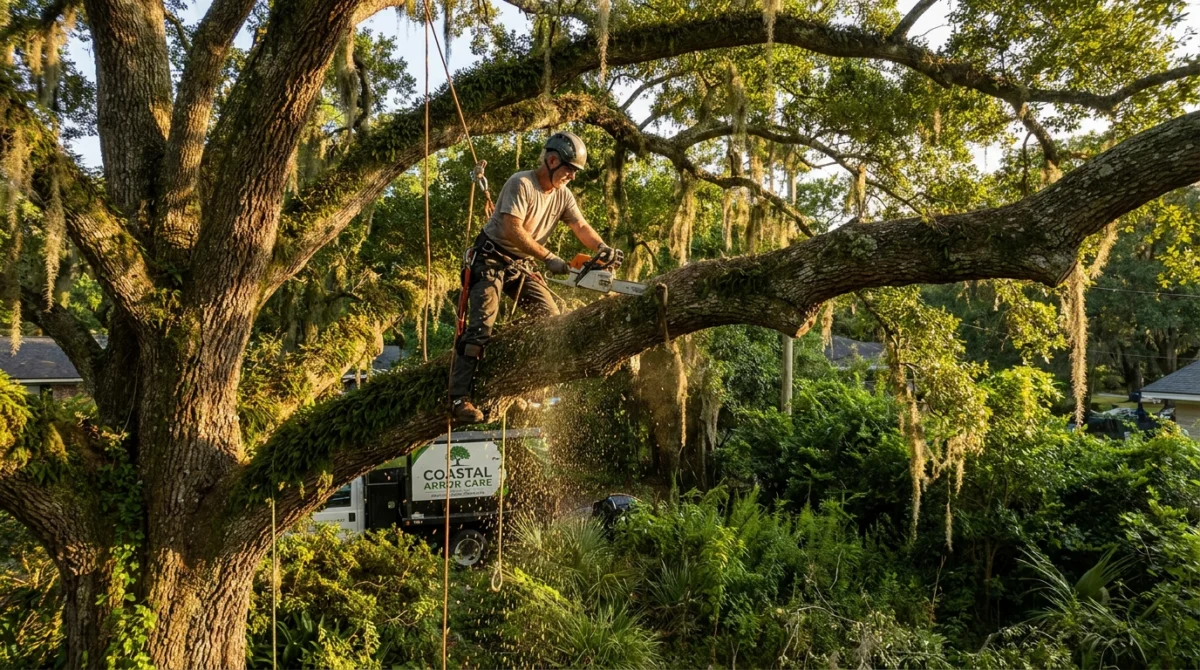
Ladders, chainsaws, large woody stems, rooflines, and power lines are not good DIY work. Neither are shrubs tangled into a tree canopy or branches bent under storm damage.
After a thunderstorm or hurricane, fallen limbs and hanging branches need careful attention. Our storm damage and emergency tree service is for situations where the problem is unsafe, unstable, or already on the ground.
Sometimes a shrub is hiding the real concern, such as a leaning tree, a split trunk, or a large limb over the house. In those cases, shrub trimming won’t fix the risk. If the tree must come down, tree removal is the safer answer.
When to Call Us for Shrub and Property Safety Help
Call for an assessment when large limbs hang over a roof, driveway, fence, or play area. The same goes for dead growth you can’t safely reach, storm-damaged branches, or a mature tree crowding shrubs that once thrived.
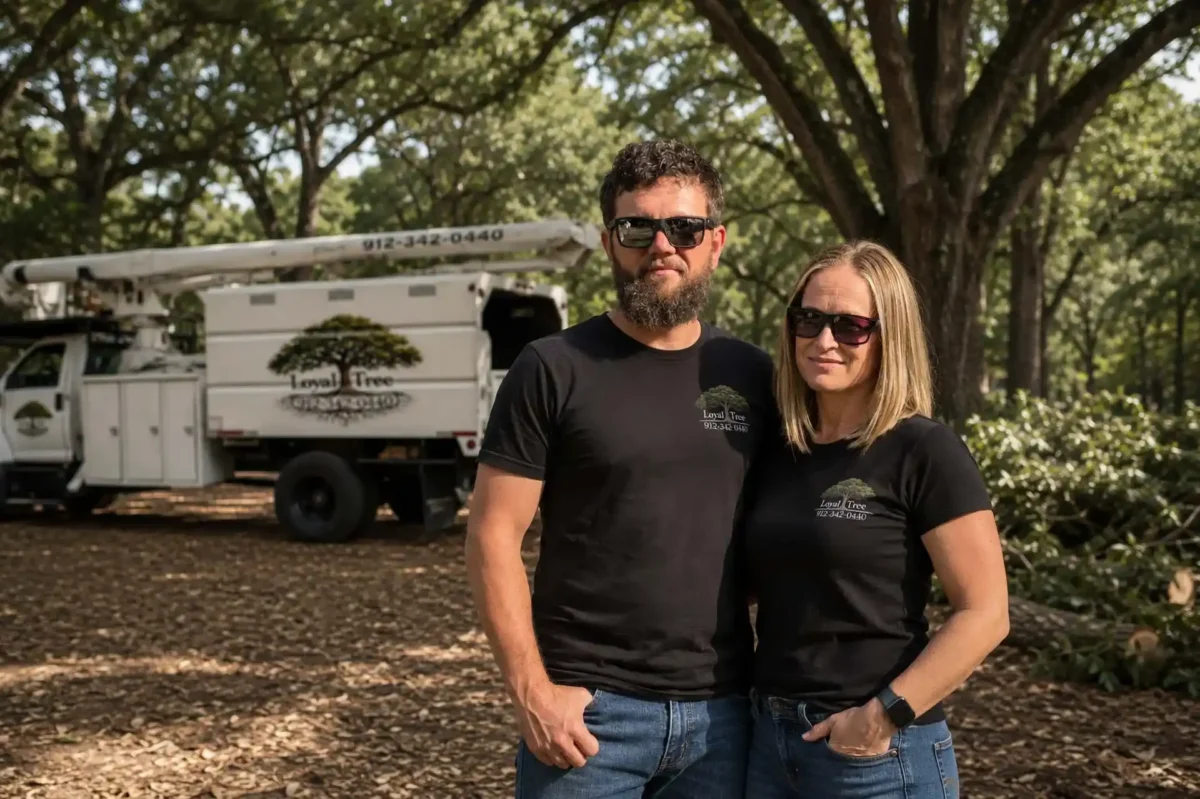
We are LoyalTree LLC, a family-owned, licensed and insured tree service based in Guyton. We work throughout Effingham County, plus Richmond Hill, Pooler, Savannah, and nearby communities.
Mike Williams is our lead arborist with 20+ years of hands-on tree experience. Mary Gledhill handles scheduling and communication, so you know where things stand. We give plain answers, whether trimming, preservation, removal, or leaving a healthy plant alone best supports its plant health.
Frequently Asked Questions
Can shrubs be trimmed during a Georgia summer?
Yes, light cleanup is usually fine. Removing a broken twig or dead branch may be appropriate, but heavy shaping during extreme heat can stress the plant.
If the work isn’t urgent, wait for cooler weather. Remove unsafe or storm-damaged growth promptly, especially when it threatens people or property.
How often should hedges be trimmed?
It depends on the plant, its growth rate, and the look you want. Light, regular maintenance is easier on a hedge than cutting back severe overgrowth.
Keep the base slightly wider than the top. This allows lower branches to receive sunlight and helps prevent thinning.
Why did a shrub stop blooming after it was trimmed?
Many spring-blooming plants set their flower buds before the next season. If pruning removes those buds, the shrub may produce few or no flowers.
Azaleas and some hydrangeas are common examples. Identify the plant before making another major cut.
Should dead branches be removed before the regular trimming season?
Dead, broken, or hazardous growth doesn’t always need to wait. Remove it sooner when it threatens a walkway, vehicle, building, or person.
Get help if the branch is large, high, unstable, or near utility lines. A dead limb can become more dangerous when Georgia weather brings wind or storms.
A Better Time to Trim Starts With the Plant
When to trim bushes starts with identifying the plant, its bloom cycle, and the weather. Trim lightly when conditions allow to protect flowers and help shrubs handle Georgia’s heat, rain, and storm season. Neglected shrubs may need renewal pruning instead of routine shaping.
When the branch is large, high, storm-damaged, or close to your home or power line, timing becomes a safety question. For a calm, no-pressure look at your property, request a free estimate from LoyalTree LLC.