Homeowners in Guyton, Rincon, Springfield, Bloomingdale, Richmond Hill, Pooler, and Savannah ask us the same fair question: why can two tree jobs that look alike get different estimates?
The short answer is that tree removal cost comes down to the complete job, not a tree count. That is why tree removal cost can vary from one property to the next. Size matters, but so do condition, access, nearby structures, cleanup, and how safely the tree can come down. We don’t publish made-up prices or national averages. A generic average cost is less useful than an on-site evaluation. Site-specific cost estimates are more reliable than guessed figures.
LoyalTree is a family-owned local tree removal company based in Guyton. We’re licensed and insured. Mike Williams brings 20+ years of hands-on tree experience to the job site, while Mary Gledhill keeps scheduling and communication clear from the office. Here’s what we look at before giving you a straight answer.
Key Takeaways
- Tree removal cost depends on the complete job, including tree size and condition, access, nearby structures, safety risks, cleanup, and disposal—not tree count or height alone.
- An on-site evaluation provides more reliable cost estimates than a photo, online calculator, or generic national average because hidden decay, lean, roots, drop zones, and access limits can change the work plan.
- Stump removal, grinding, debris haul-away, and site cleanup may be separate services, so confirm the exact scope in writing before work begins.
- Local conditions in Effingham County—including sandy or soft soil, storms, tight lots, power lines, HOA rules, and mature trees—can affect equipment needs, scheduling, and overall cost.
- Dead, leaning, storm-damaged, or house-adjacent trees are not DIY projects. A qualified tree professional can explain whether removal, pruning, or cabling and bracing is the safest option.
What Decides Tree Removal Cost in Effingham County
A removal estimate starts with the tree itself, but it doesn’t stop there. Large trees in open yards need a different plan than small trees near a roof.
Tree removal cost is often shaped more by danger and control than tree height alone. We need to know where every limb can go, what is underneath it, and whether the tree can be safely taken apart in sections.
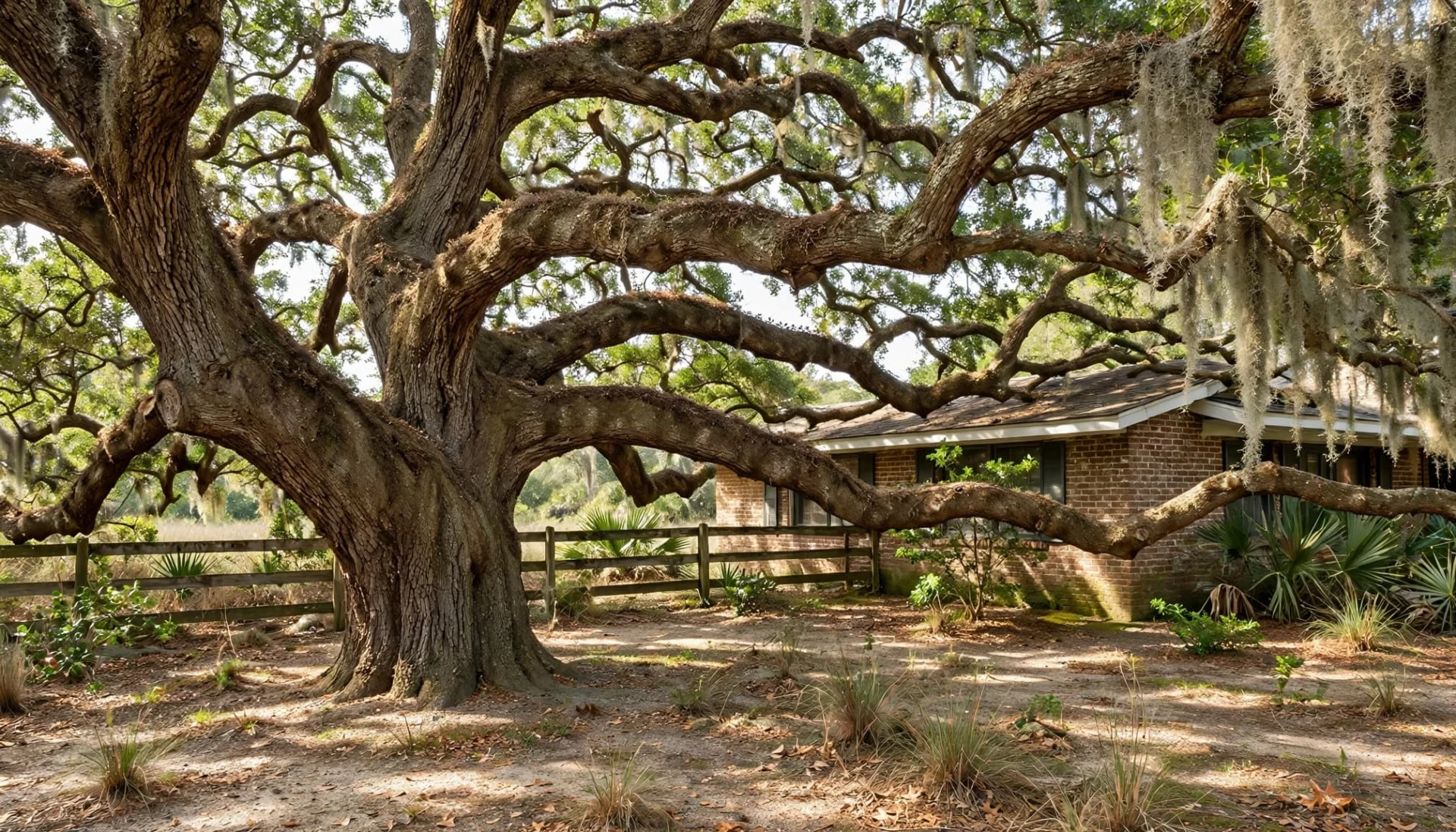
Tree size, condition, and structure change the work plan
Height, trunk diameter, limb spread, and wood weight affect the equipment, crew, cutting steps, and cleanup needed. A tall tree can’t be treated like a small backyard ornamental.
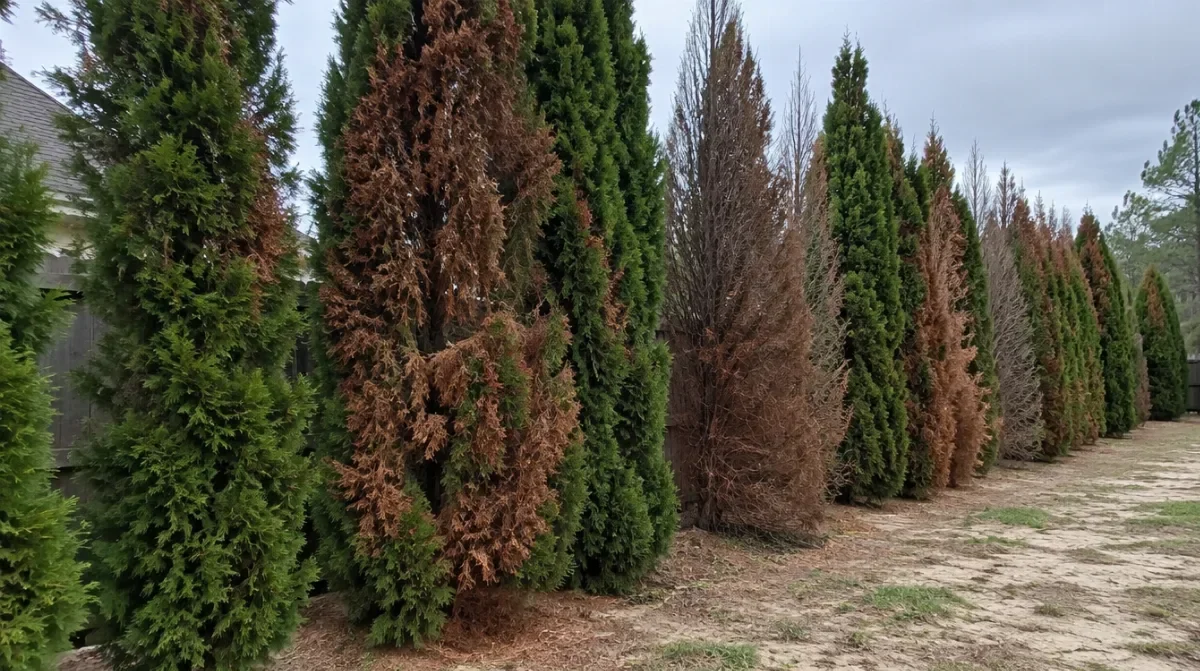
Dead wood can act differently than sound wood. Cracks, hollow spots, storm damage, and a hard lean may create safety risks and require slower sectional removal. Loblolly and slash pines, live oaks, and water oaks all show up often around here, but the individual tree’s condition tells us far more than its species name.
Rigging, crew size, access, and cutting complexity can change equipment costs and labor costs. A wood chipper may also be used when processing limbs, depending on the work plan.
The tree’s location and access can matter as much as its size
A tree in an open field may have room for a planned drop zone. Put that same tree between a house and a fence, near a pool or driveway, and the job changes fast.
Roofs, sheds, vehicles, landscaping, septic areas, utility lines, and a neighbor‘s property all matter. Narrow gates, soft ground, and limited parking can also limit where equipment can go. Ropes, rigging, or specialized equipment may be needed to lower pieces with control.
Cleanup, hauling, and the next step after removal
Taking down the tree is only part of the work. The plan should cover cutting limbs and logs into manageable pieces, debris haul-away if requested, and raking the work area when the job is done.
A stump is a separate question after removal. Stump removal cost should be discussed separately rather than silently included in the removal price. If you want the area ready for mowing, planting, or a building project, stump grinding can be added to the plan.
Confirm the exact scope in writing, including cutting, loading, hauling, and site cleanup.
Why Tree Removal Cost Changes From One Property to the Next
Two water oaks can stand about the same size and still require very different work. One may have open access and a clear landing area. The other may be over a house with a narrow side yard and no room for machinery.
Targets below the tree, access, disposal needs, and urgency all affect the plan. That’s why an on-site visit gives us clearer cost estimates than a quick guess based on a photo.
Why photos and quick online quotes cannot show every risk
Photos are helpful for starting a conversation. Send them when you can, as long as you take them from a safe distance.
Still, a photo-based tree removal price may be misleading. A tree removal calculator can’t inspect decay, roots, lean, access, or potential landing areas. It also can’t show where a section could swing or fall once cutting begins. That matters when roofs, fences, and other targets could suffer property damage.
A tree can look solid from the driveway and still hide safety risks where the work has to happen.
Removal is not always the safest or most useful choice
We don’t believe every tree problem ends with taking a tree down. A valued live oak with sound structure may be a good candidate for tree trimming and pruning, a risk assessment, or cabling and bracing. Cabling and bracing uses support hardware to help reduce movement in a weak union.
Some trees can’t be safely kept. A severely compromised tree near a home, or one with damage that can’t be managed, may need removal. We will tell you plainly what we see and why.
How Effingham County Conditions Affect a Tree Removal Estimate
Effingham County yards don’t all work the same. We see sandy soil in one part of town, heavier clay in another, mature trees on older lots, and close-set homes in newer subdivisions.
Summer thunderstorms and high winds can turn a manageable tree issue into a time-sensitive one. Hurricane season runs from June through November, so it pays to inspect questionable trees before a storm is on the forecast.
Pines, live oaks, and water oaks bring different hazards
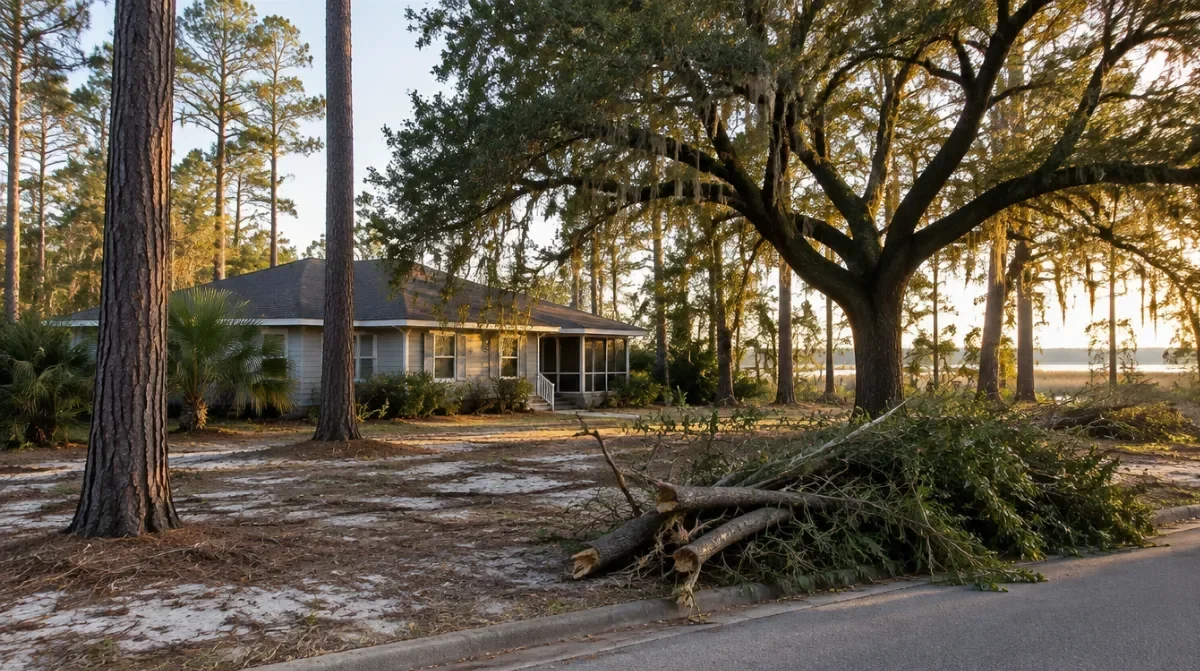
Loblolly and slash pines can snap or uproot when wind and wet ground work against them. Large trees such as live oaks and water oaks often have broad, heavy limbs near roofs and driveways.
Tree species helps guide the work plan, but it doesn’t determine risk by itself. We look at structure, root support, health, lean, and what the tree could reach if part of it fails.
Soil, storms, and tight neighborhood lots affect access
Sandy soil can shift under equipment. Clay can stay soft and difficult after heavy rain. Soft ground may require mats or a different setup, affecting equipment costs.
Older properties around Guyton, Springfield, and Savannah may have mature trees with little room to work. Crews also check for power lines, narrow driveways, and other access limits.
Newer neighborhoods in Rincon, Pooler, and Richmond Hill may have HOA requirements. Check HOA rules and county permit questions before work begins, since permit requirements vary by jurisdiction and property.
What Happens on Removal Day, and Which Jobs Are Not DIY
A careful job starts with a site review and a work plan. We identify drop zones, protect vulnerable areas where practical, set up equipment, and keep people away from the work area.
For dead, leaning, storm-damaged, or house-adjacent trees, professional tree removal services are not a DIY project. These hazards require a qualified professional tree service. Don’t climb a tree, try cutting down a tree with a chainsaw near a structure, or work around power lines.
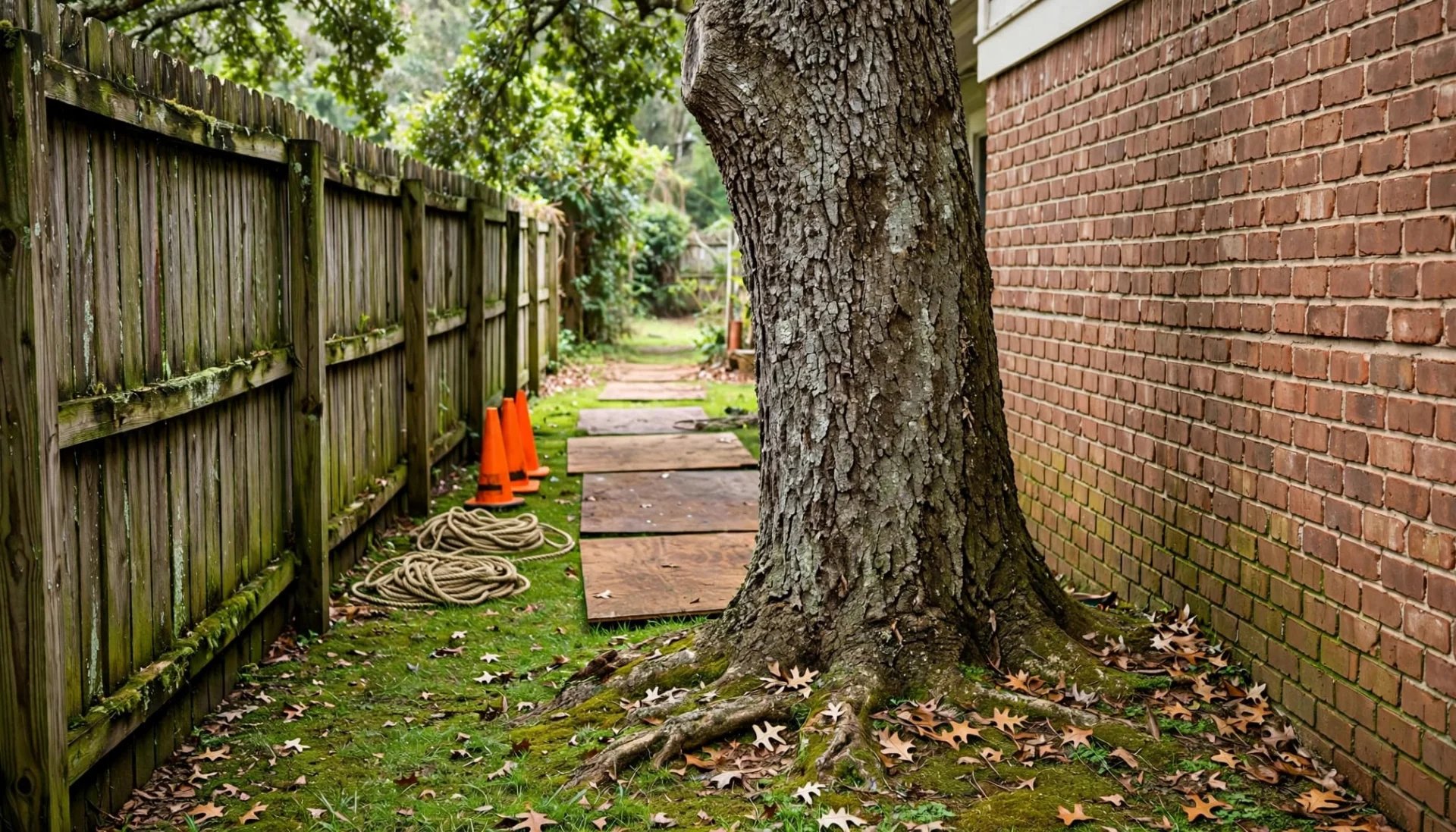
How a careful crew protects roofs, fences, yards, and driveways
We plan where sections can land before cutting begins. On tight jobs, ropes and rigging help lower branches or trunk sections instead of letting them drop.
Equipment placement matters, too. We take care around driveways, lawns, fences, roofs, and planting beds. A wood chipper also needs a safe, practical position. Ask what cleanup and debris haul-away are included.
No tree job is completely without impact, especially after storms, but a clear plan helps limit property damage and avoid needless harm.
Why storm damage changes urgency and scheduling
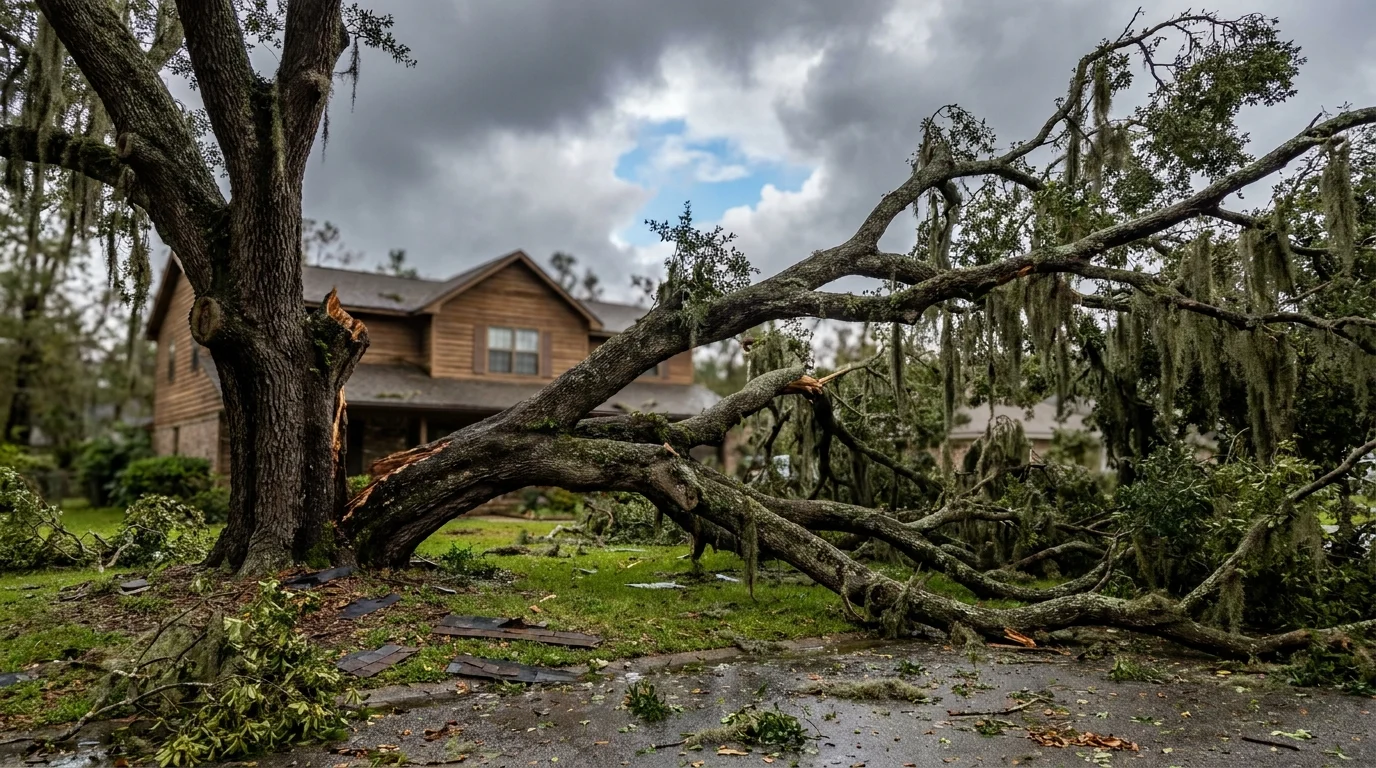
A planned removal and a fallen tree on a roof are not the same call. A tree blocking a driveway, resting on a vehicle, or hanging over a home may need emergency tree removal and fast attention.
Stay away from hanging limbs and downed wires because of the safety risks. The National Weather Service warns people to keep well clear of downed power lines, even when they appear inactive. For hurricane, thunderstorm, or high-wind damage, see our storm damage and emergency tree service options.
When to Call for a Tree Removal Review or Free Estimate
Contact a qualified provider of tree removal services when you notice a new lean, large dead limbs, fresh cracks, exposed or lifted roots, trunk cavities, repeated limb drop, or storm damage. A tree growing into a house, road, driveway, or utility area also needs a closer look.
Planning before hurricane season or a major project gives you more time to make good decisions. If there’s an immediate hazard, don’t wait to have it reviewed.
For cost estimates, provide your address, photos taken safely from the ground, gate access details, HOA information, and utility concerns. Ask whether cleanup, debris haul-away, and stump grinding are included, especially if you want the ground ready for mowing, planting, or construction. We are based in Guyton and serve Effingham County, Richmond Hill, Pooler, Savannah, and nearby communities.
Frequently Asked Questions
Do we need to be home during the estimate?
It’s helpful, especially if you have questions about access, cleanup, or the tree’s history. If you can’t be there, let us know how to access the property and how to reach you afterward.
Can wood and logs stay on the property?
They can, if that fits your plans and the site allows it. Let us know before work begins if you want logs left for firewood, habitat, or another use.
Will a tree service remove branches near power lines?
That depends on the line and the situation. If a tree is touching or close to electrical lines, stay clear and contact the utility company first. The National Weather Service hurricane safety guidance also stresses the danger of storm-related electrical hazards.
Does stump removal cost extra?
Usually, stump work is separate from removing the above-ground tree. The stump removal cost may depend on its size, root spread, access, and ground conditions.
Does a permit always have to be pulled before removal?
No single answer covers every property. Rules can depend on the location, HOA, tree type, and local requirements. Check before scheduling if you think a permit or approval may apply.
Can a tree be removed in wet weather?
Sometimes, but wet ground can change access and make equipment travel unsafe for the yard. We look at conditions on site and won’t force a job that creates an unnecessary safety or property risk.
A Clear Answer Starts With Seeing the Whole Job
A tree’s height alone doesn’t decide the estimate. Tree removal cost depends on safety, condition, access, nearby structures, cleanup, local ground conditions, and whether removal is truly the right choice.
We are a family-owned, licensed and insured local tree removal company, and we believe plain advice matters. For a clear answer before cutting down a tree, request a free estimate.