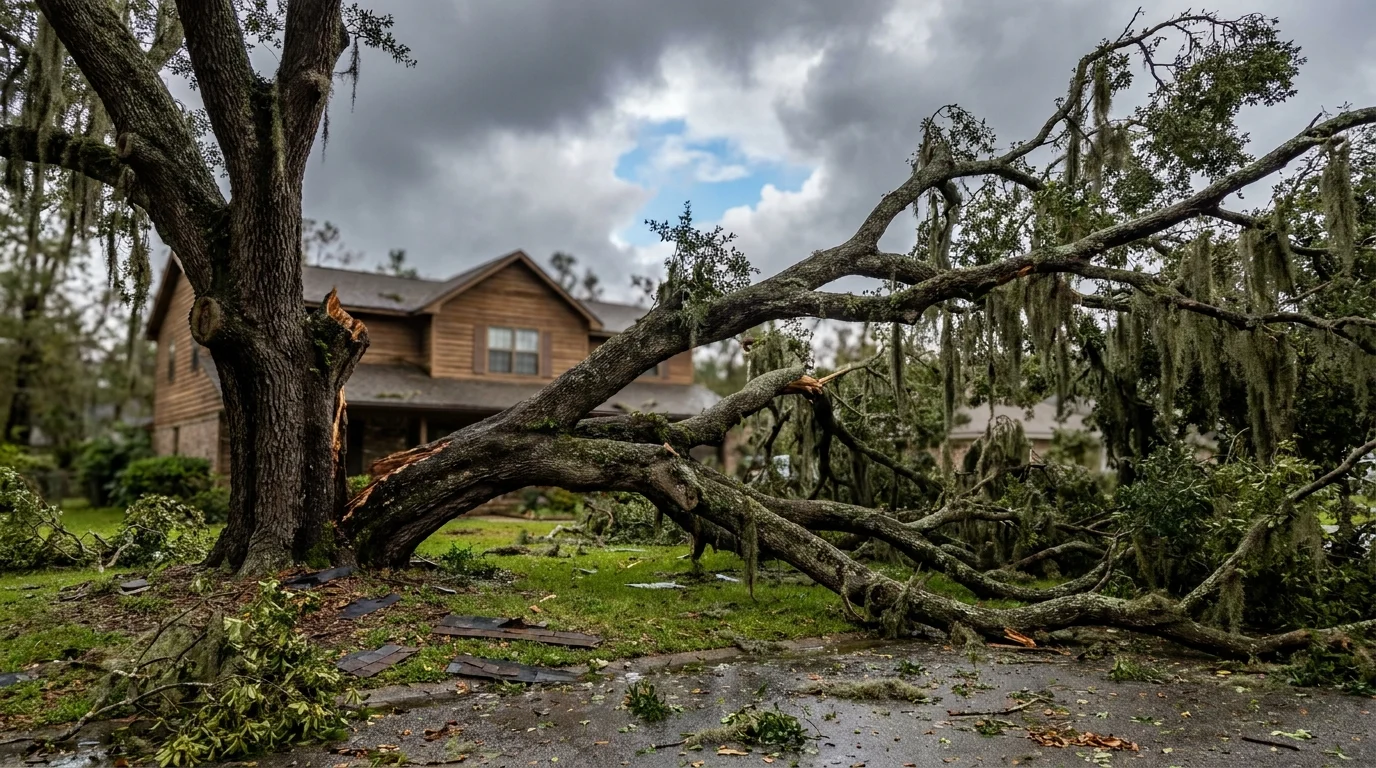
A mature tree near your house, driveway, or power line can feel like a question mark when strong winds arrive. Homeowners in Guyton, Rincon, Springfield, Bloomingdale, Richmond Hill, Pooler, and Savannah know that feeling well.
To prepare trees for hurricane season, you don’t need to cut everything back. You need to spot weak limbs, root trouble, and trees that have outgrown their safe space before storms arrive. At LoyalTree LLC, we’re a family-owned, licensed and insured local team. Mike brings 20+ years of hands-on tree experience, and Mary keeps the office side organized so neighbors get straight answers.
Key Takeaways
- Walk your property early and look for tree hazards, including dead branches, cracks, leaning trunks, and poor tree stability.
- Keep healthy trees when possible, but don’t ignore serious decay, disturbed soil, or root system damage.
- Pines, live oaks, sandy soil, and poor drainage all affect storm risk differently.
- Never climb, use a chainsaw near power lines, or pull on a storm-damaged tree.
- Plan tree work before hurricane season, not when a named storm is already headed our way.
How to Prepare Trees for Hurricane Season in Coastal Georgia
The best time for a tree inspection is before the first storm watch. Schedule it before hurricane season, then start with a slow walk around your property after daylight.
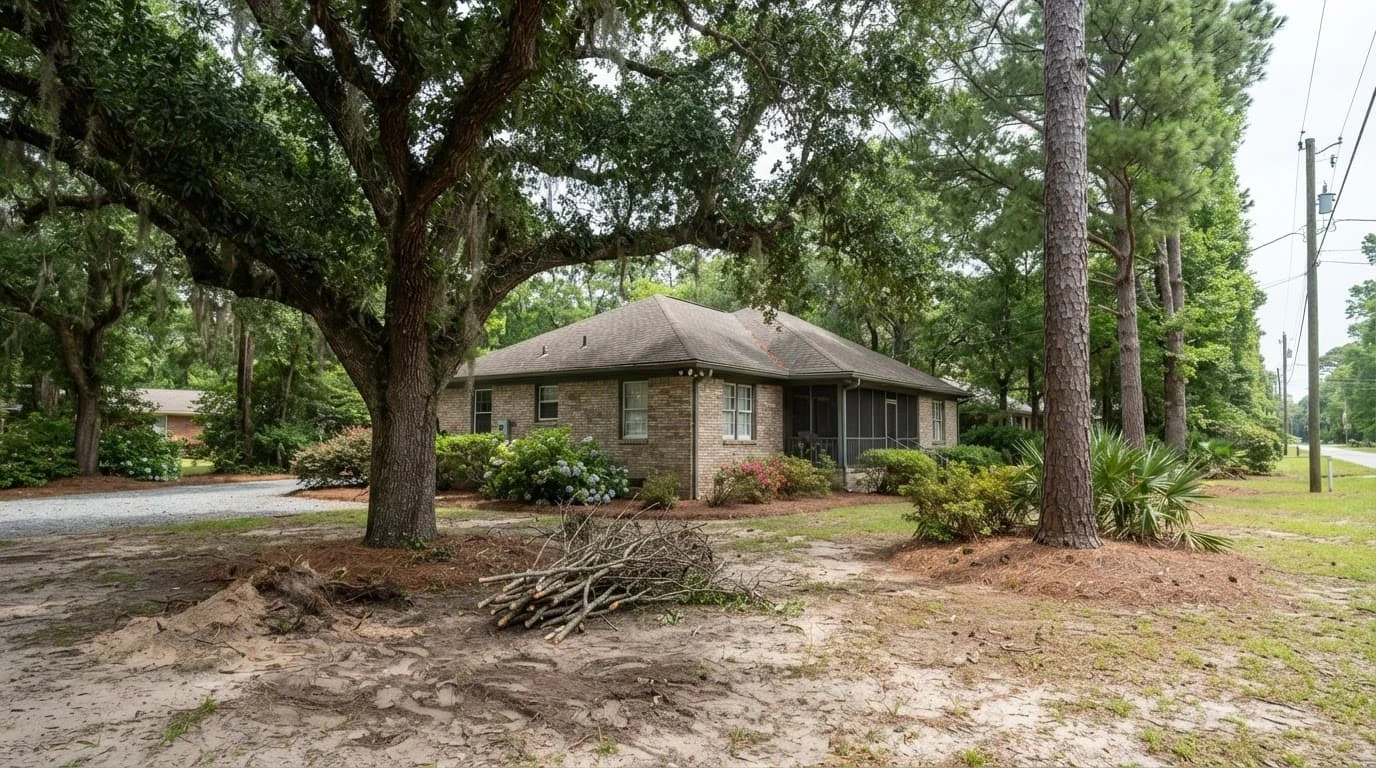
Start with the trunk, roots, and canopy
Look up for dead branches, hanging limbs, and limbs brushing the roof. Then look down. Fresh cracks in the soil, exposed roots, mushrooms near the base, cavities in the trunk, and a new lean all deserve attention.
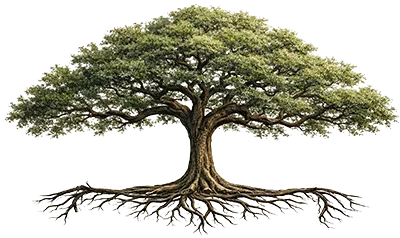
A tree can have green leaves and still have a compromised root system. Root damage, decay inside the trunk, and codominant stems can weaken it. Codominant stems are two main stems that grow from the same point. These structural defects may not be obvious from the driveway.
Keep an eye out for these warning signs:
- Large dead branches over a roof, parked vehicle, fence, or play area.
- A trunk crack, hollow area, or bark pulling away from the wood.
- Soil lifting on one side of the tree or roots that have started to show.
- Limbs growing into power lines or resting on your roof.
FEMA’s hurricane wind and water surge guidance is a good reminder that wind damage doesn’t stay neatly inside one yard. A failed limb can block a driveway, damage a roof, or bring down a fence.
Clear the area, not the whole tree
Selective tree pruning can clear a roof, remove deadwood, and improve the shape of a healthy tree canopy. After an assessment, limited interior thinning may suit some canopies, but it shouldn’t be automatic or excessive.
A hurricane cut is an aggressive, nonstandard approach, not a guarantee of storm safety. Hatracking, or severe topping, can create weak regrowth and increase future risk. Careful structural pruning may improve a healthy tree’s wind resistance, but it doesn’t make a tree hurricane-proof. No honest tree company can promise that.
Move patio furniture, grills, trailers, and loose yard items away from trees before a storm. Keep gutters, driveways, and access paths open. Take a few clear photos of trees near the house before hurricane season, and know where utility lines, septic tanks, and drain fields are located.
A ladder, a chainsaw, and a heavy limb are a bad mix, especially when the limb is near a roof or power line.
Don’t climb a tree or cut near electrical lines. Large trees need the right equipment, a clear plan, and room for the crew to work safely.
Local Tree Risks in Effingham County, Richmond Hill, and the Savannah Area
Coastal Georgia has its own mix of tree concerns. Hurricane season runs from June through November, but summer thunderstorms can bring hard wind and saturated ground first.
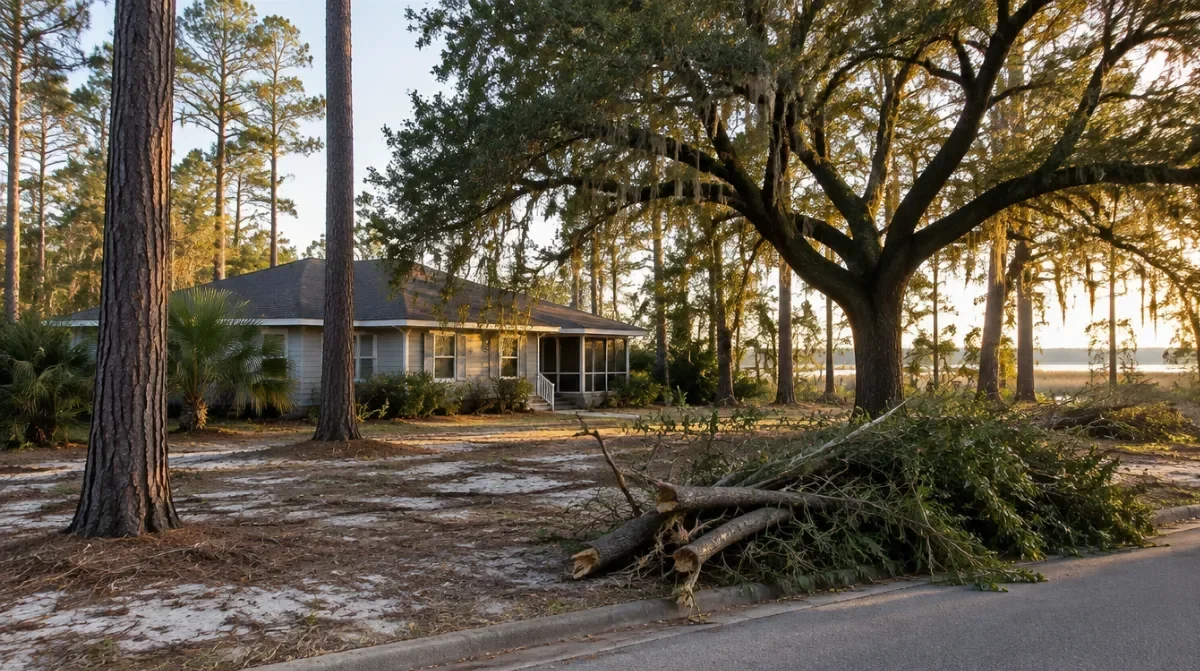
Loblolly and slash pines grow fast and tall. In high winds, they can snap or uproot, especially when roots have been weakened by soil changes or past damage. A large live oak may hold heavy limbs over homes, driveways, and pools. Its broad tree canopy is beautiful, but it can expose more weight and sail area to strong winds. Palm trees have different concerns, including loose or dead fronds that need regular attention.
Broad crowns don’t automatically need aggressive interior thinning. Pruning should respond to the tree’s structure, defects, and nearby targets. Supposedly wind-resistant trees aren’t storm-proof, either. Mature size, site conditions, and regular maintenance still matter.
Soil conditions matter more than most people think
Sandy soil around Guyton, Rincon, and parts of Savannah can give some trees less grip when rain soaks the ground. Clay soil can hold water longer, while poor drainage may stress the root system over time. Neither soil type makes a tree unsafe on its own. A local tree inspection looks at species, soil, drainage, targets, and overall condition together.
Older lots in Springfield, Bloomingdale, and Richmond Hill often have mature trees close to structures. Newer subdivisions may have HOA rules about trimming, removal, road access, and cleanup. Check your HOA guidelines before major work. If a protected tree, public road, or utility area is involved, ask the county about permit requirements too.
Spring preparation is a useful time to address pruning, drainage, and planting decisions before summer storms arrive. When adding trees, follow the right tree right place approach by considering mature size and location. Organic mulch can help protect soil, but keep it away from the trunk and don’t use it to hide root or decay problems.
A storm-ready yard isn’t a bare yard. Healthy trees offer shade and character. The goal is to deal with the trees or limbs that pose a real risk.
Can the Tree Be Saved, or Is Removal the Safer Choice?
This is usually the question behind every call we get: can the tree stay, or is it time to take it down? The answer depends on the tree’s condition, where it could fall, and whether a reasonable fix is available.
Signs a tree may be worth keeping
A tree may be a good candidate for preservation when it has a healthy canopy, a solid trunk, strong main branches, and only manageable structural defects. Careful pruning can remove deadwood and reduce the weight on an overextended limb. Limited interior thinning may also be part of a professional pruning plan for a suitable canopy.
In some cases, a professional tree risk assessment can help sort out what you’re seeing. A certified arborist can evaluate codominant stems, root condition, and other concerns when that credential is appropriate.
Cabling and bracing can support a weak branch or stem when appropriate, but won’t correct serious decay, a split trunk, or failing roots. A hurricane cut isn’t a responsible substitute for evaluating defects, and it won’t make a tree storm-proof.
We don’t make a final call from a photo alone. The lean angle, root zone, trunk integrity, and target below all affect tree stability and whether the tree can remain safely managed.
When removal makes more sense
Removal may be the responsible choice when a tree has major trunk decay, a split trunk, severe root damage, or large dead sections. It may also be necessary after soil movement creates a dangerous lean toward the house. A tree that has already partly failed has also shown you something important.
When pruning, cabling, or bracing can’t correct every structural problem, tree removal protects the people and property around it. That can be a hard decision with an old live oak or a favorite shade tree. Still, waiting for high winds to make the decision is rarely the better option.
What Happens Before and After a Storm, and When Should Help Be Called?
Preseason tree work and post-storm recovery are different jobs. Before a storm, we perform a tree inspection, discuss your concerns, identify hazards, and plan access. We also consider roofs, fences, driveways, septic areas, landscaping, and anything else that needs protection.
What a planned tree job can include
Work may include controlled pruning, removing a hazardous tree, safely lowering limbs, hauling debris, and checking the area once the work is done. A clear plan matters, especially in tight yards with large oaks or pines near a home.
Call LoyalTree when a tree is leaning, cracked, dead, or showing structural defects. We also help with trees that are too close to structures or beyond safe DIY work. An on-site look gives you a better answer than guessing from across the yard.
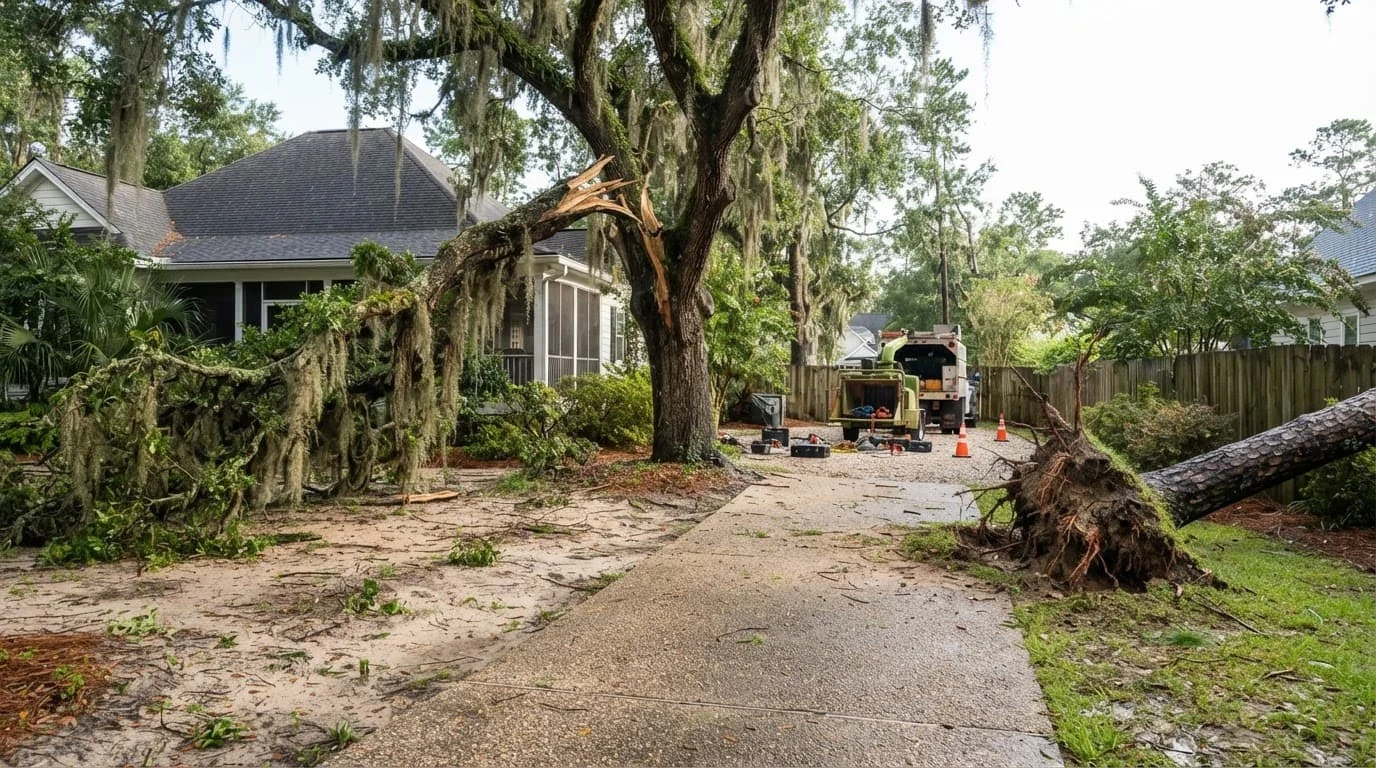
Stay clear after the wind stops
After a hurricane or thunderstorm, stay away from trees touching power lines, limbs hanging overhead, trees under tension, blocked roads, and damaged roofs. Keep access open for emergency vehicles when possible, and call 911 when there’s immediate danger.
Never approach down power lines. Contact the utility company, and wait until hazardous conditions have passed before approaching the property.
FEMA’s guidance on cleaning up after flooding is plain about electrical lines: never touch, cut, move, or place debris on them. A line may still be live even when power is out.
For fallen trees, hanging limbs, or trees on a roof or driveway, our storm damage and emergency tree service can help after the area is safe to access. Don’t cut or pull on a loaded tree yourself, and never walk beneath it. Wood under pressure can shift without warning.
Frequently Asked Questions
Should trees be trimmed right before a hurricane?
Last-minute heavy pruning isn’t a reliable storm solution. It can leave fresh wounds, remove too much canopy, or make the tree unbalanced. Schedule selective tree pruning before hurricane season when possible. After an evaluation, limited interior thinning may be appropriate, but it isn’t a universal last-minute treatment. A so-called hurricane cut isn’t a reliable or guaranteed preparation method. Clearly hazardous limbs still need urgent attention.
FEMA also recommends trimming trees and removing dead branches near the home. The same common-sense step applies before coastal Georgia’s wind season.
Is it safe to remove a small branch without professional help?
A small branch may be manageable if it’s reachable from the ground, light enough to control, and far from structures and utility lines. Once a limb is high, heavy, under tension, near a roof, or close to power, it isn’t a small job anymore.
Don’t use a ladder and chainsaw for risky cuts. Even a branch that looks light can swing, roll, or break differently than expected.
What should happen if a tree falls on a house or driveway?
Keep people away from the area and look for electrical hazards without getting close. Call emergency services if anyone is in danger, and contact the utility company if a line is down or involved.
Photos can help with insurance records, but don’t walk beneath hanging limbs or try to cut a tree loaded against a roof, vehicle, or another tree.
Can a stump be handled after hurricane tree removal?
Usually, stump work comes after the tree and immediate hazards are out of the way. Stump grinding can take a stump below grade, making the area easier to mow, replant, or use again.
It’s an add-on after removal, not the main part of hurricane preparation. Safety comes first.
When is the right time to request a free tree estimate?
The best time is before a named storm or high-wind event, especially when warning signs are already visible. Homeowners in Effingham County, Richmond Hill, Pooler, and Savannah can ask for an on-site review when they aren’t sure whether a tree needs pruning, support, or removal.
A Safer Start Before the Next Storm
The strongest hurricane plan starts with an early look at trees near your home and daily-use areas. Focus on defects, falling distance, and what each tree could hit. Keep healthy trees when they can be managed safely, and leave climbing, rigging, and chainsaw work to a licensed and insured professional.
Pines, broad live oaks, sandy soil, clay soil, and older wooded lots make an on-site assessment more useful than a distant guess. Before hurricane season or after storm damage, request a free estimate from LoyalTree LLC.