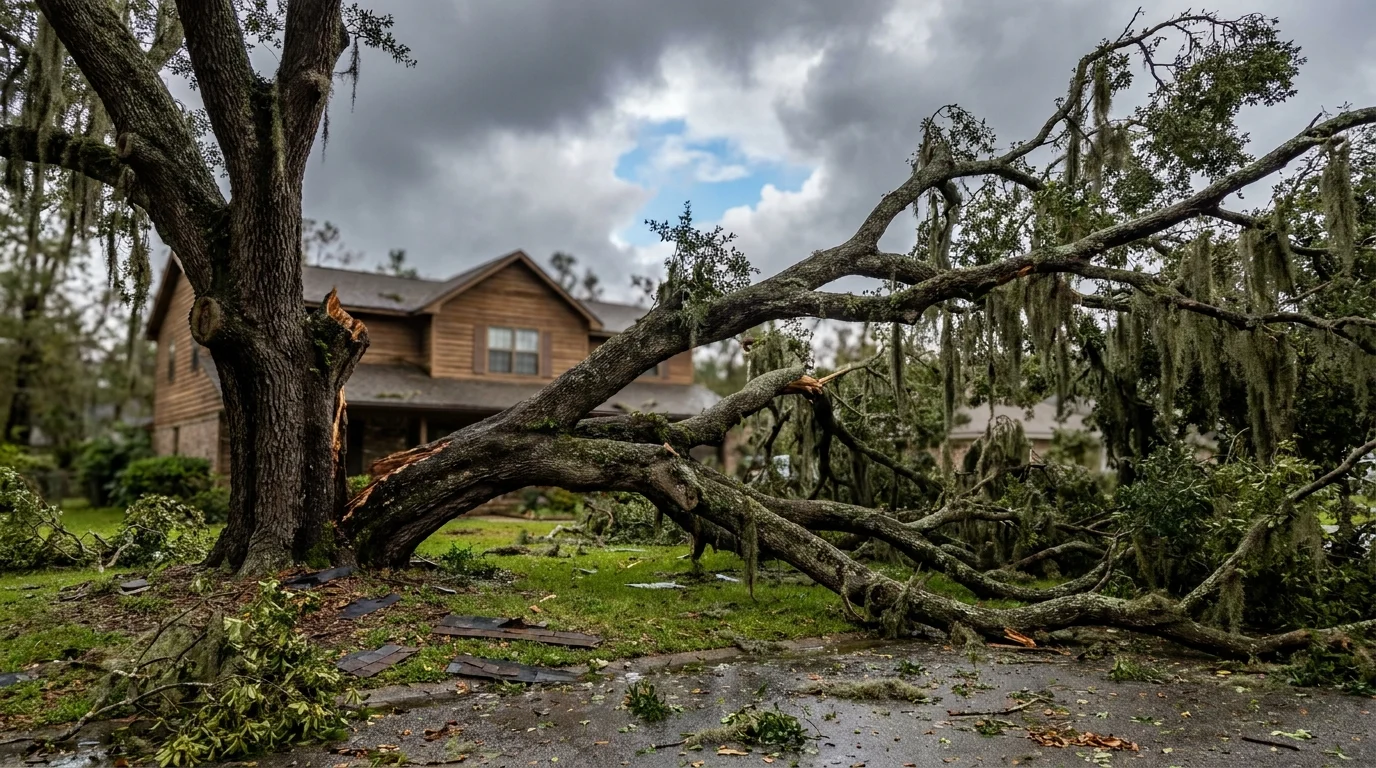
The plain answer to when to trim trees in coastal Georgia is late winter, usually late January through early March. Most trees are resting then, their branch structure is easier to see, and spring new growth has not begun. Evergreens keep their foliage year-round, so their timing may differ from trees that lose their leaves.
Knowing when to trim trees in spring can also help prepare a yard for hurricane season, as long as the work is finished before June and remains selective. We work with homeowners in Guyton, Rincon, Springfield, Bloomingdale, Effingham County, Richmond Hill, Pooler, and Savannah. No two yards are quite the same.
A dead, broken, or hanging limb may need attention any time of year. The calendar matters, but good cuts and safe decisions matter more.
Key Takeaways
- Late January through early March is the best general window for routine tree trimming in coastal Georgia.
- Tree species matters: live oaks, pines, crepe myrtles, pecans, and fruit trees may need different pruning approaches and timing.
- Storm-readiness pruning should be selective and finished before June when possible, while dead, broken, or hanging limbs should be addressed any time of year.
- Good pruning preserves natural structure, avoids topping and flush cuts, and generally removes no more than about one-quarter of the canopy in a year.
- Leave large, hazardous, storm-damaged, or utility-line work to a trained tree professional, and check local permits or HOA rules before major pruning or removal.
When to Trim Trees in Coastal Georgia: The Best Seasonal Window
Late winter, especially late January through early March, is the best all-around window for routine pruning. This dormant season makes the tree’s structure easier to evaluate. Deciduous trees have dropped their leaves, while evergreens are often growing more slowly. Slower growth doesn’t mean every evergreen needs heavy pruning.
We can see crossing limbs, dead wood, weak branch unions, and limbs crowding the roof more clearly without foliage in the way. That visibility supports better decisions about the tree structure.
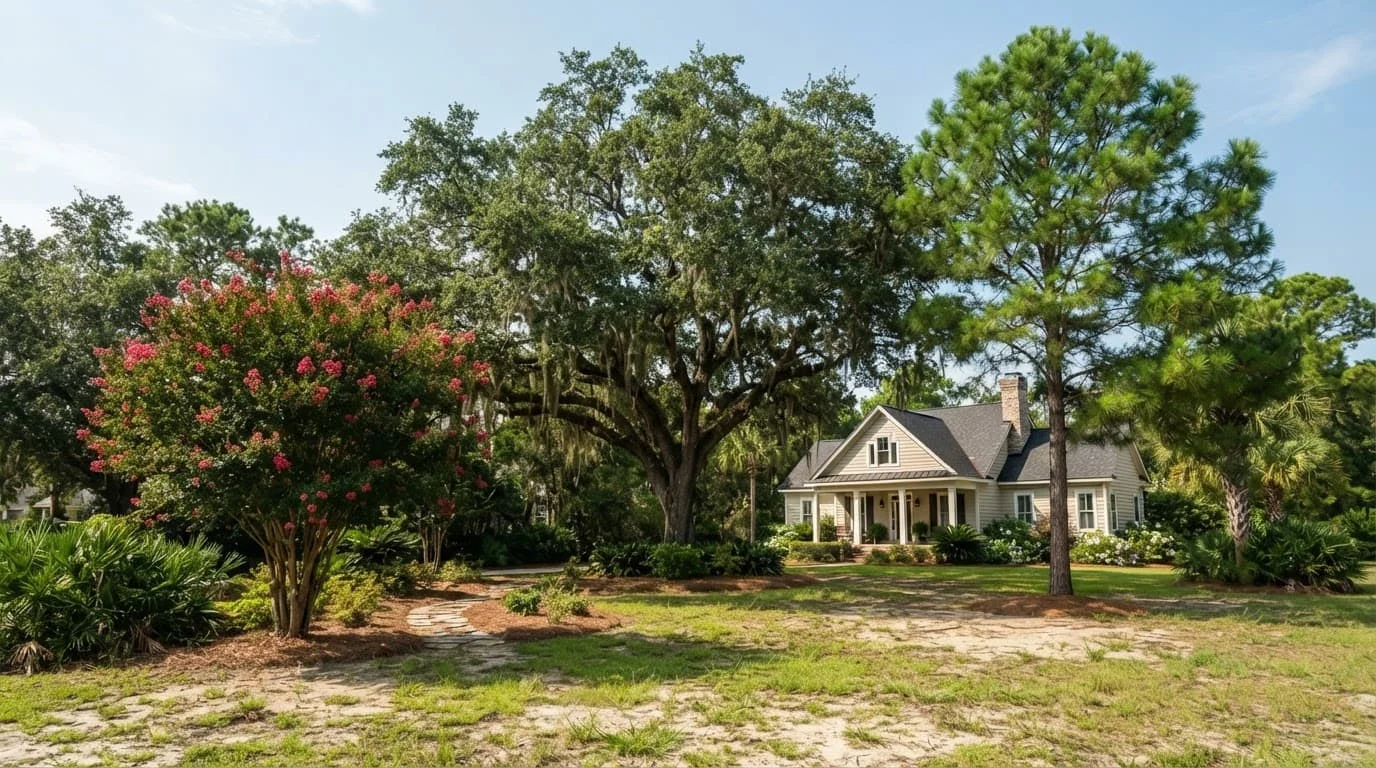
This timing also gives trees a chance to begin wound healing as spring arrives. It suits young trees, mature oaks, and limbs near structures. Some flowering trees and fruit trees need species-specific timing around their bloom or production cycle.
Spring can still be a good time for lighter work. If you’re planning storm-readiness pruning before hurricane season, aim to finish by June. The goal is to remove hazards without taking too much healthy canopy.
Summer is usually not our first choice for major pruning. Heat, humidity, and wet weather put extra stress on trees. Wet summer conditions can also increase decay concerns around fresh wounds, especially on oaks. Because oak wilt risks vary by location, ask a local tree professional for guidance before pruning oaks during high-risk periods.
A bad cut in the right month is still bad tree care. Timing cannot fix topping, flush cuts, or too much canopy removal.
How Live Oaks, Pines, Crepe Myrtles, and Other Trees Differ
Tree species changes the conversation. A live oak near a house needs a different plan than a tall loblolly pine or a row of crepe myrtles by the driveway. Our tree trimming and pruning work starts with the tree in front of us, not a one-size-fits-all schedule. Structural pruning, branch position, and the intended result should guide each set of pruning cuts. Timing should also account for pest and disease pressure, not just appearance.
Live oaks and water oaks need careful dormant-season pruning
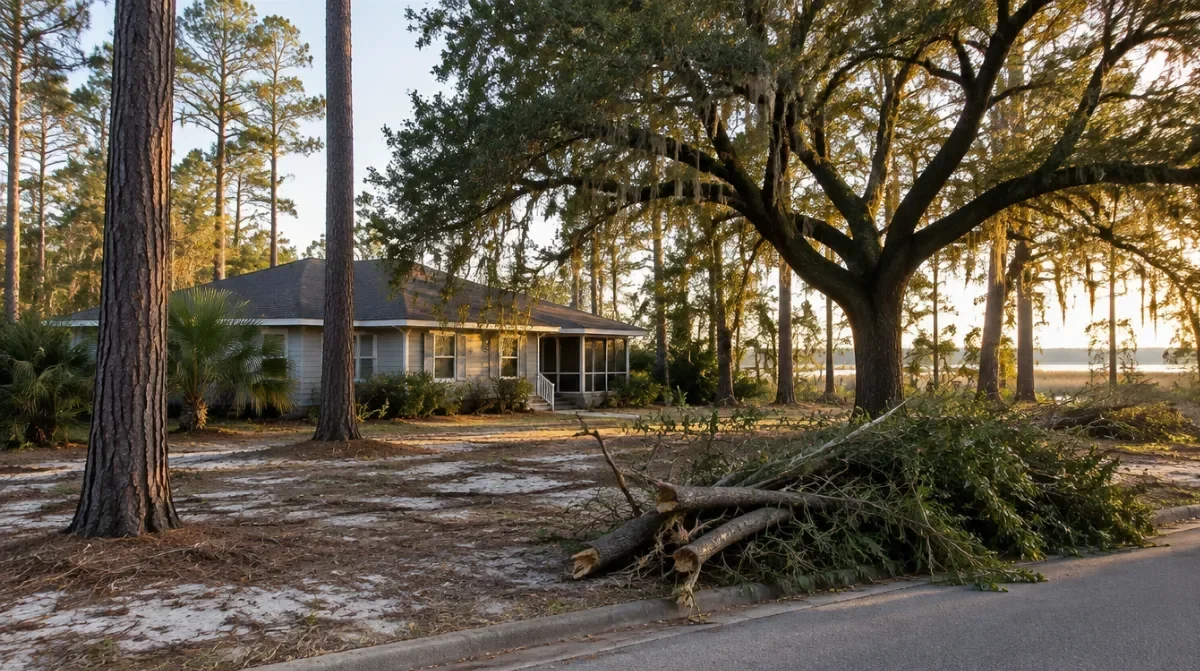
Live oaks are usually best trimmed during their dormant season. We avoid heavy cuts during spring leaf change, when the tree is shedding old leaves and pushing new growth. We also avoid unnecessary cutting in wet summer weather, when decay fungi are more active.
If oak wilt could be a concern, check local guidance before cutting. Disease timing can matter as much as the condition of the limb.
Water oaks often deserve a close look before storm season. They can carry long, heavy limbs over roofs, driveways, and patios. Selective removal of dead branches or diseased branches is better than waiting for a storm to make the decision. Diseased branches may need separate evaluation, along with tool sanitation and professional advice.
We would rather improve a sound oak with careful pruning than remove it later because problems were ignored.
Pines usually need selective dead-limb removal, not topping
Loblolly and slash pines are evergreen trees common around Effingham County and Savannah. They can lose dead limbs, snap in high wind, or uproot when saturated ground gives way.
Dead-limb removal and lower-limb lifting can happen in different seasons when needed. Selective thinning cuts can remove a poorly placed branch while preserving the tree’s natural canopy and tree structure.
The practice of topping trees damages structure and creates weak regrowth. A topped pine cannot rebuild proper form. It often grows weak shoots below the cuts, and those shoots can fail later.
Branches near power lines are not a ladder-and-pole-saw job. Call the utility or a qualified line-clearance crew. Keep people, tools, and equipment well away from those lines.
Crepe myrtles, pecans, and fruit trees respond well to late-winter pruning
Late winter works well for crepe myrtles, pecans, and many fruit trees. Crepe myrtles are flowering trees, so bloom timing can affect the schedule for some varieties. These flowering trees typically bloom on new growth, making late-winter work useful before spring growth begins.
With crepe myrtles, we remove dead, crossing branches, rubbing limbs, or poorly placed growth while keeping the tree’s natural shape. Selective thinning cuts can improve spacing without stripping the canopy. Appropriate heading cuts may suit some ornamental trees, but indiscriminate shortening to stubs does not.
Remove basal suckers when they interfere with the intended structure, without stripping healthy growth unnecessarily. Excessive cutting can also stimulate water sprouts around old cuts.
“Crepe murder” is the common name for chopping the main branches down to short stubs each year. It creates weak shoots, rough-looking knuckles, and a tree that needs repeated correction. UGA Extension’s pruning guidance also warns against butchering these trees for no good reason.
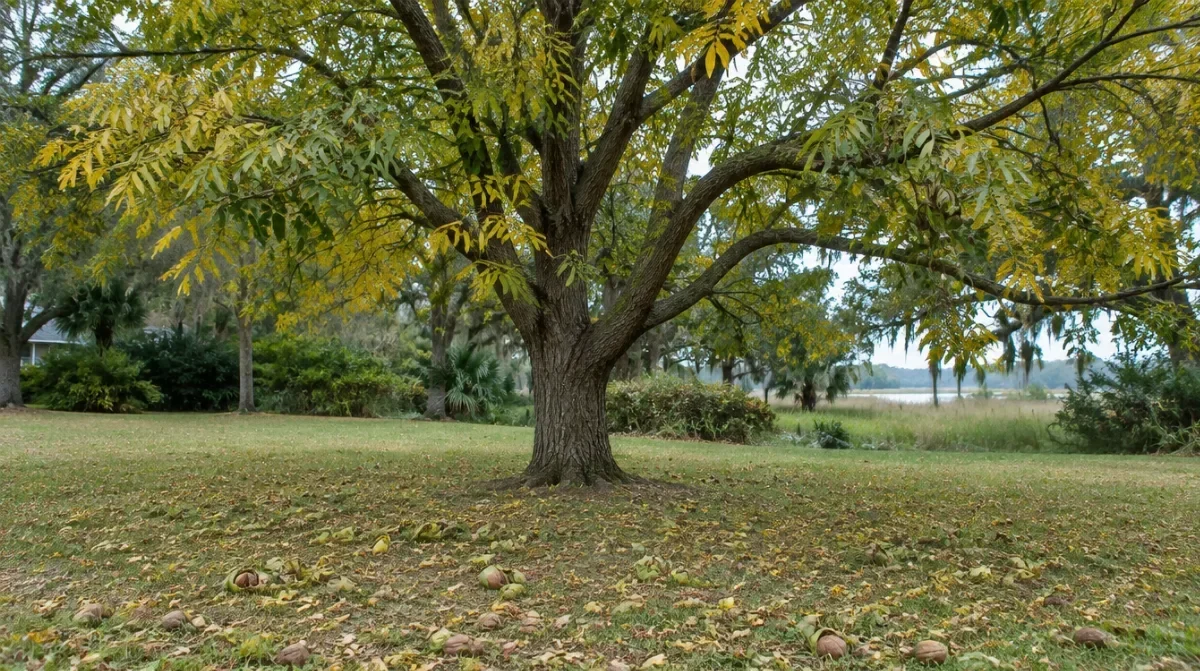
Not every crepe myrtle needs hard annual pruning. A little selective work is often enough. Pecans and fruit trees also benefit from cuts that remove damaged wood before spring new growth and support species-specific production goals.
Some pecan and fruit trees are bleeder trees that release noticeable sap after pruning. That does not automatically mean the cuts need sealant. Management should follow the species and the tree’s condition.
Storm Season Pruning Starts Before the First Big Wind
Hurricane season runs from June through November, but summer thunderstorms can bring hard wind much earlier. Spring is the time to inspect your yard and address hazards before a limb ends up over the roof at midnight.
A storm-readiness inspection should look for:
- Dead branches, broken limbs, or hanging wood caught in the canopy.
- Weak branch unions, especially where two large stems meet in a tight V shape.
- Heavy limbs extending over a roof, driveway, fence, or play area.
- Trees leaning toward a structure, particularly after heavy rain.
- Branches rubbing utility lines or growing too close to them.
Sandy soil can loosen quickly after long periods of rain. Clay soil may hold water and stay soft longer. Either condition can affect stability, especially for large live oaks and water oaks near a house.
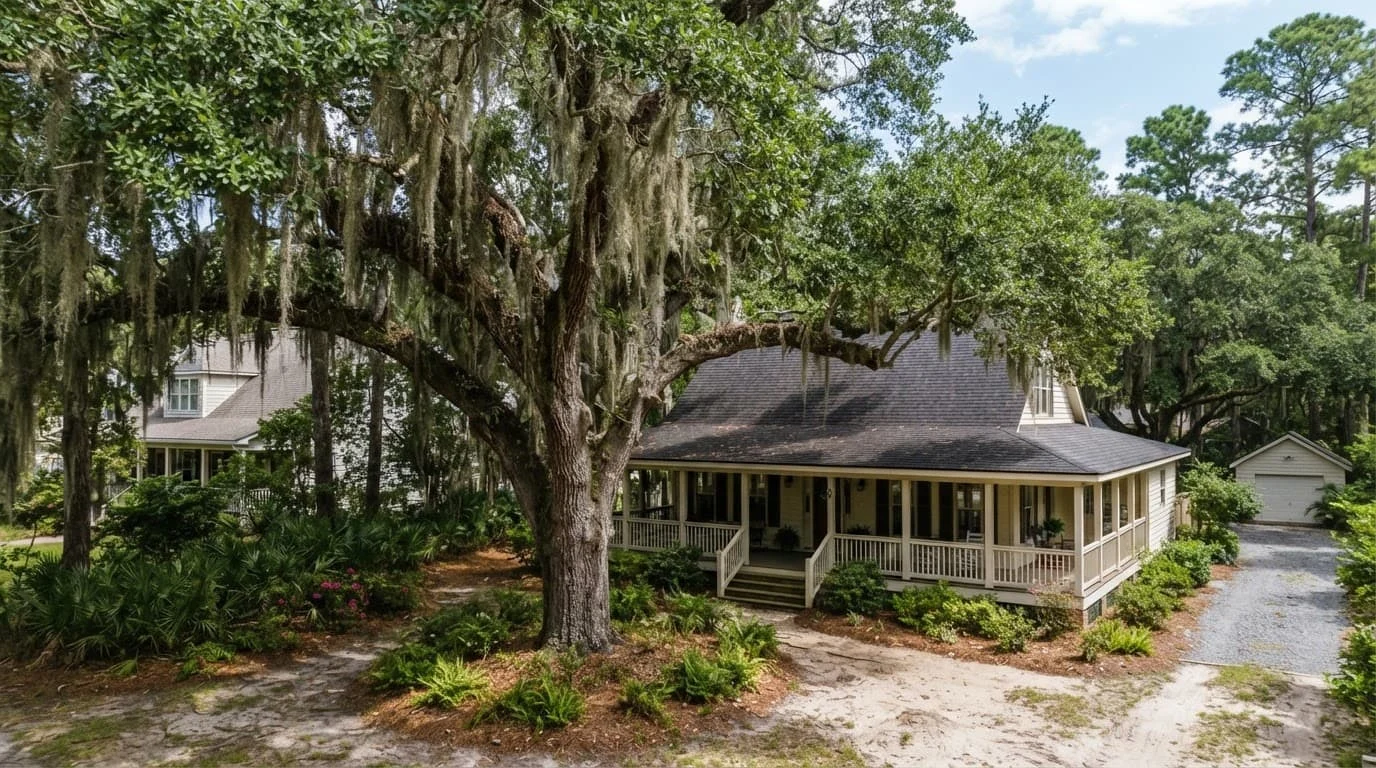
Storm pruning should be selective. Removing large portions of a canopy at once can leave a tree weaker, hotter, and more exposed to wind. Unstable trees and limbs near utility lines require professional attention. If a tree falls, hangs over a roof, or blocks access after bad weather, our storm damage and emergency tree service is the right next step.
What Good Pruning Looks Like, and When DIY Is Not Safe
Good pruning preserves the tree’s structure. Pruning cuts should be made just outside the branch collar, the slightly swollen area where a branch joins the trunk or another limb. A flush cut removes that collar and can slow the tree’s natural wound healing. Respecting the branch collar also helps the tree form callus tissue around the managed wound.
Selective thinning cuts can improve light and airflow without stripping the inside of the canopy. Lion-tailing removes too many inner branches and leaves foliage only at the ends. Heading cuts shouldn’t be used indiscriminately to shorten major limbs or create a topped appearance. This can increase wind pressure on long ends and expose limbs to sun stress.
For larger branches, use the three-cut method. Make an undercut first, followed by a top relief cut above and outside it. Finish with the final pruning cuts just beyond the branch collar, without damaging it.
As a general rule, don’t remove more than about one-quarter of a tree’s canopy in a year. Mature trees often need less than that.
Leave high-risk work to a trained crew
Homeowners can usually handle small, reachable twigs with clean, sharp pruning shears. Stop there if the work means climbing, using a ladder near branches or power lines, running a chainsaw overhead, or cutting a limb that could hit a home.
A proper visit starts with a conversation about your goals. We inspect the tree from the ground, identify hazards, and make a pruning plan. Then we protect the property, control each cut, and clean up afterward.
If a tree cannot be made safe, tree removal may be the responsible option. Preservation is always the better choice when the remaining tree has good structure and a safe future.
When to Call a Tree Professional for a Safe Plan
Call for an assessment if a tree is leaning, has large dead limbs, shows cracks or cavities, has roots lifting soil, rubs the roof, or sits near a home, driveway, or power line. For large, hazardous, or structurally compromised trees, consider involving a certified arborist. These are not problems to watch from the porch and hope for the best.
Older lots in Guyton, Springfield, and Savannah often have mature trees that predate the house. Newer subdivisions in Rincon, Pooler, and Richmond Hill may have HOA rules affecting what can be cut. Check county permit requirements and HOA approval before major work. Don’t delay an urgent hazard while waiting for the preferred season.
LoyalTree LLC is family-owned, licensed and insured, and based in Guyton. Mike Williams brings 20+ years of hands-on tree experience to the work, while Mary handles scheduling and communication.
We can help you decide whether a tree needs pruning, cabling, preservation work, or removal. There’s no pressure to take down a tree that can be safely kept.
Frequently Asked Questions
Can trees be trimmed during hurricane season?
Yes, if there’s an immediate hazard. Dead limbs, broken branches, and limbs hanging over a home shouldn’t wait for a better month. Schedule routine heavy pruning before storm season whenever possible. Emergency work should follow damage, not wait for a seasonal window.
Should a tree be trimmed after a major storm?
Stay away from unstable trees and downed power lines first. Hanging limbs, split trunks, uprooted trees, and high canopy damage can be difficult to assess from the ground. Have the tree inspected before cleanup begins.
How often should mature trees in coastal Georgia be inspected?
The right schedule depends on the tree’s age, species, condition, storm exposure, and distance from structures. Check mature trees after severe weather. Arrange periodic professional inspections for trees near a home, driveway, or gathering area.
Is it better to prune a damaged tree or remove it?
That depends on the damage, remaining structure, lean, root condition, and location. We prefer proper pruning when the tree can remain safe and healthy. Removal is the responsible choice when major defects can’t be corrected.
What should happen to the stump after tree removal?
Stump work is an optional follow-up after a tree comes down. If the stump blocks mowing, planting, fencing, or construction, stump grinding can take it below grade. This makes the area easier to use again.
A Safer Schedule for Coastal Georgia Trees
Late winter is the best general window for routine trimming, while spring work finished before June can support storm readiness. Evergreens and other species may need a different response when conditions or storm damage require it. Dead, broken, and hanging limbs should be handled when they appear.
The best month can’t make up for poor technique. Tree species, condition, nearby structures, and careful cuts should guide the plan.
Homeowners in Effingham County, Richmond Hill, Pooler, Savannah, and nearby communities can request a free estimate when it is time for a straightforward look at a tree.