A shrub can take over a yard slowly, then all at once. It blocks a window, leans against siding, swallows a walkway, or wraps itself through a fence before you know it. Complete shrub removal involves more than cutting visible branches. Hidden roots, irrigation lines, fences, disposal, and limited access can all affect the work.
Knowing how to remove shrubs means looking past the branches you can see. Bush removal may involve hidden roots, limited access, and disposal concerns. Here in Guyton and across Effingham County, we see plenty of overgrown shrubs growing where they no longer belong. The plant type often determines which removal method works best.
Key Takeaways
- Cutting a shrub low isn’t the same as removing it completely.
- Check roots, irrigation, fences, and nearby trees before starting.
- Small, isolated shrubs can be a DIY job with proper tools and safe conditions.
- Dense, thorny, storm-damaged, or structure-hugging growth is better left to a licensed, insured crew.
- Cleanup and root removal matter if you plan to mow, replant, or repair the area.
How to Remove Shrubs Safely
A safe shrub removal starts with an inspection. Before cutting, identify irrigation heads, utility lines, buried edging, fences, and nearby tree roots.
Start by cutting the shrub into manageable pieces. For bush removal, pruning shears can handle thin branches before heavier stems are cut. A reciprocating saw with a pruning blade may help with larger woody stems. Use it only when access and stem diameter make it appropriate. Wear eye protection, stay clear of the cutting path, and don’t use powered tools in tight spaces without experience.
A trenching shovel can loosen soil around the root crown, where the stems meet the roots. Use a round-point shovel when wider digging is more practical. Exposing the crown is different from removing the full root system, which may require digging below the main root mass.
Some shrubs come out with hand tools. Others have thick, established roots that hold on like a dock line in wet sand. A stubborn shrub may need specialized lifting, such as a farm jack or pickaxe. These methods shouldn’t be used casually near structures, utilities, fences, or valuable tree roots.
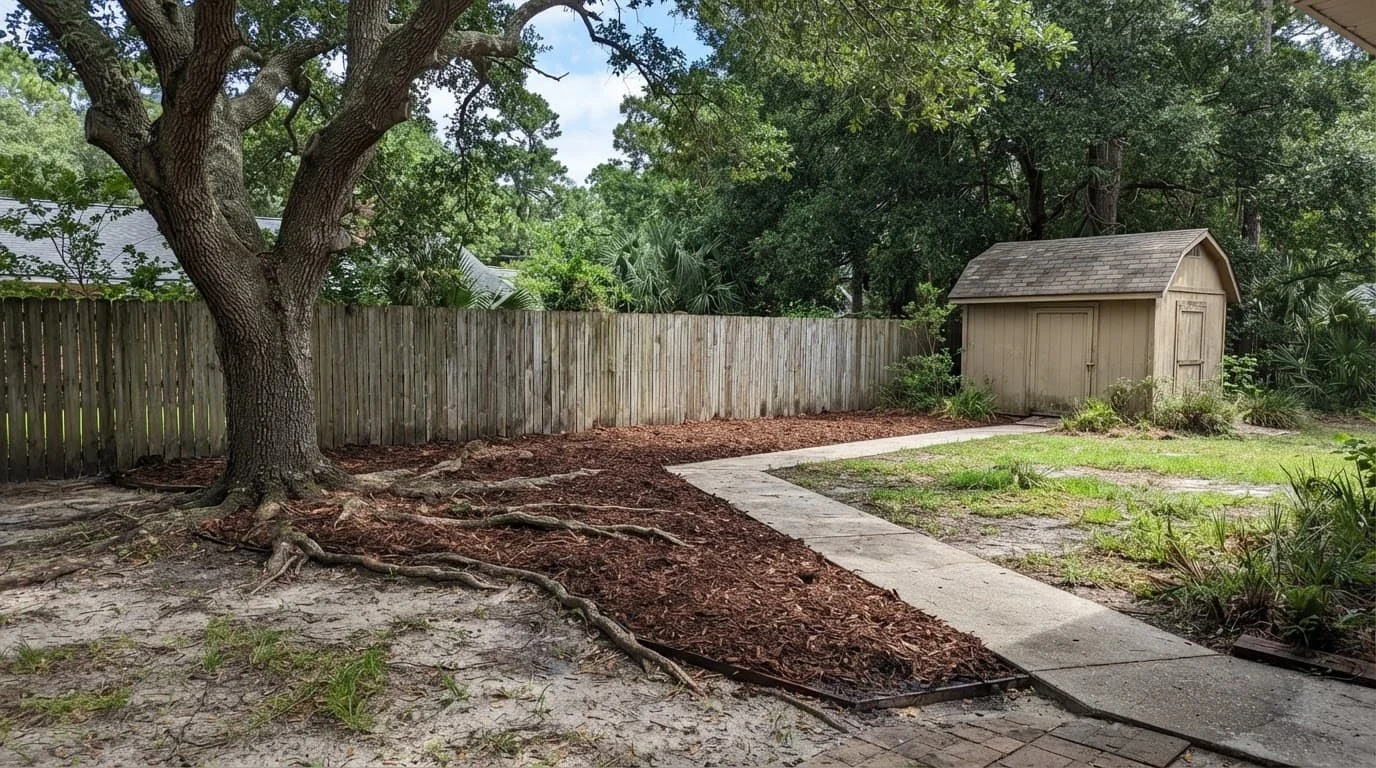
If the goal is a clean bed for sod, mulch, or another plant, full shrub removal may be preferable to cutting it back. Digging out the main root mass helps prevent regrowth and leaves more usable space for the next planting.
A shrub with healthy structure and enough room may not need removal at all. Careful tree trimming and pruning or hedge trimming can sometimes bring an overgrown plant back into shape.
Signs a Shrub Should Be Removed Instead of Cut Back
We look for dead sections, fungal decay, repeated regrowth after hard cutting, and roots pushing into a walkway or border. A shrub may also need to go when it blocks a driver’s view, presses against siding, crowds out every nearby plant, or leans into a structure.
Sometimes the shrub is not the biggest problem. It may be hiding a loose fence panel, washed-out soil, a fallen limb, or a small tree growing through the middle. The plant type can affect whether it recovers after cutting. The question is whether keeping it makes the yard less safe or harder to use.
Why Root Removal and Cleanup Matter
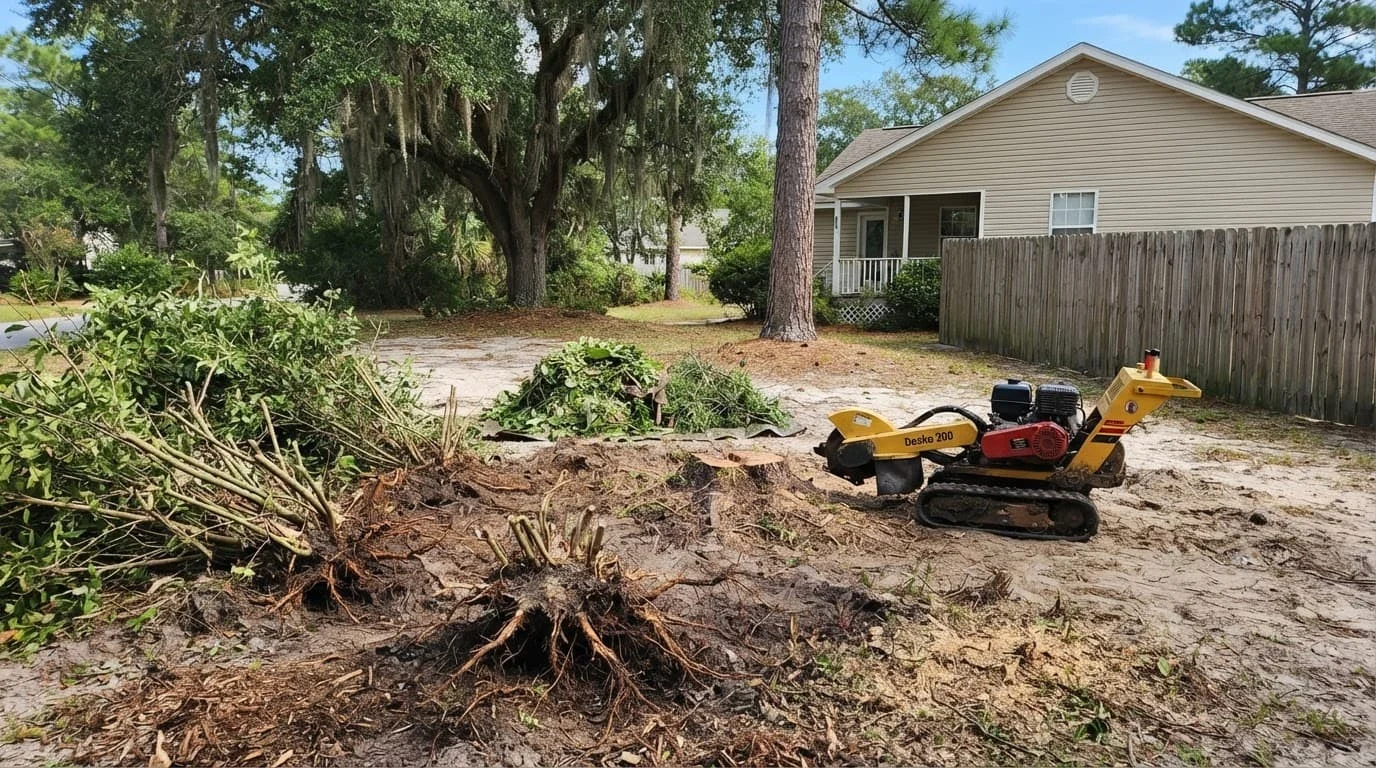
Cutting stems at ground level can make a yard look better for a while. It doesn’t always stop the plant from coming back. Many woody shrubs send up new shoots from the remaining crown or roots.
Leftover roots can catch a mower, create uneven mulch beds, and get in the way of new plantings. We take care around nearby tree roots, especially under mature oaks. Digging too aggressively around a live oak can hurt the tree you meant to protect.
When a woody shrub or small tree leaves a stubborn base, stump removal may include stump grinding. This helps leave the spot ready for mowing, mulch, or a new plan for the bed.
How Local Georgia Conditions Change Shrub Removal
How to remove shrubs in coastal Georgia depends a lot on soil type and what is underfoot. Sandy soil may let roots spread close to the surface. Clay soil can hold water and make digging slow. Saturated ground after heavy rain can leave ruts, even from small equipment. These conditions can change the pace and approach to bush removal.
Older lots in Guyton, Rincon, Springfield, and Savannah often have mature trees, old fences, sheds, and crowded planting beds. Newer neighborhoods in Pooler, Bloomingdale, and Richmond Hill may have narrow side yards. They may also have HOA rules about screening plants and boundary changes.
The UGA Cooperative Extension is a solid local resource for Georgia plant and landscape questions. If removal is part of larger clearing, check your HOA and local county office first. Do the same if protected trees may be affected.
Hidden Problems Around Pines, Live Oaks, and Older Lots
Shrubs beneath live oaks, water oaks, loblolly pines, or slash pines need extra care. Mature oaks often have wide roots near the surface. Dense growth can hide exposed roots, erosion, decay, standing water, or broken limbs near the tree base.
We inspect the whole work area before cutting or pulling. That includes drainage, ground firmness, overhead branches, fence lines, and erosion. We also look for irrigation, exposed roots, and anything tangled inside the growth. Irrigation and buried utility lines must be located before pulling roots. Pulling first and looking later can turn a small job into a damaged fence or broken irrigation line.
HOA, County, and Storm Season Questions
Not every shrub removal needs a permit. Still, ask your HOA about screening requirements, shared property lines, and approvals before changing a large planted area.
Storm season runs from June through November. Summer thunderstorms and high winds can turn loose, leaning, or broken shrubs into a bigger mess. A plant pressing against a home, gate, or walkway shouldn’t wait for the next storm.
Can Overgrown Shrubs Be a DIY Job?
Some DIY shrub removal jobs are reasonable. A small, isolated shrub in dry, level ground may be manageable if you’re healthy and can handle the manual labor. A healthy, manageable hedge may only need hedge trimming instead. You’ll also need work gloves, safety goggles, hand tools, and a plan for hauling debris in a pickup truck or arranging removal.
DIY shrub removal becomes a poor fit when thorns, heavy stems, deep roots, hidden wire, irrigation, steep ground, or buildings enter the picture. A reciprocating saw may help with controlled cuts on manageable stems. Don’t use an electric chainsaw or other powered equipment without proper training and protective gear. Never use one around people, structures, utilities, or uncontrolled falling material. A pickaxe can loosen compacted soil only when the area is clearly free of utilities and irrigation. Burning yard waste can create a fire risk and may not be allowed where you live.
The straight answer depends on the site and the plant. The same safety test applies to DIY bush removal. If you can’t see the base, control where it falls, or safely dig it out without using unsafe force, it’s time to stop DIY shrub removal and call for help.
Questions to Ask Before Starting the Work
Before hiring help, ask what will happen to the roots and whether hauling is included. If you’re handling debris disposal yourself, confirm you have a pickup truck or another reliable plan for the debris.
Ask how nearby trees, siding, fences, irrigation, and planted areas will be protected.
Share photos before scheduling when you can. Tell us about gate widths, tight access, property-line concerns, HOA rules, and plants you want left alone. If permission is granted, an impact driver may temporarily remove a fence panel to create access. If a shrub has grown into a small tree or the job includes several trees, tree removal may be the better fit.
On removal day, we review the site again, plan the cuts, protect what needs protecting, and remove debris as we work. Root or stump work comes next if it’s part of the plan. We rake the area and do a final walkthrough before we leave.
When to Call a Professional for Overgrown Shrub Removal
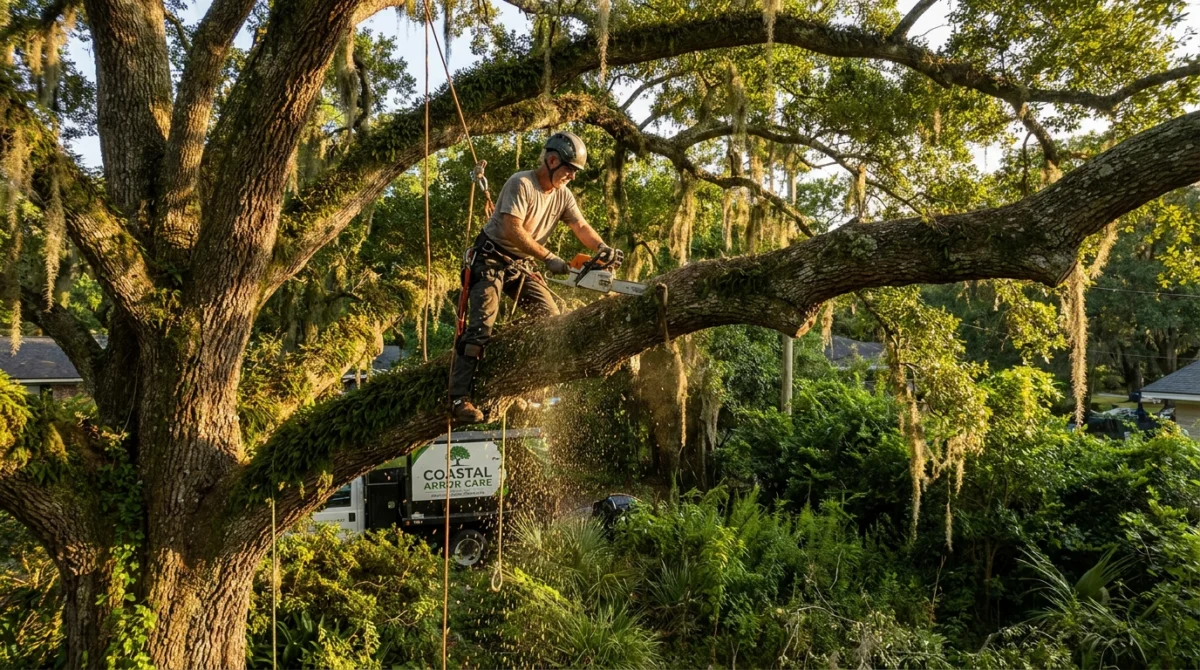
Call a licensed and insured tree service company when the shrub is taller or wider than a person, thick with thorns, tied into other plants, or rooted against a foundation or walkway. The same goes for wet ground, a steep bank, hidden fencing, gas equipment, or anything close to power lines. Limited access, heavy stems, large root masses, or difficult debris may require big equipment and trained operators.
We do not publish prices for shrub removal because no two jobs are alike. A small, accessible single shrub is a quick job. Dense, thorny, root-heavy, or multi-shrub work near a foundation takes more time, more equipment, and more hauling. The only real number is the one on a free on-site estimate.
When you compare estimates, ask what is included. Ours covers the labor, the debris disposal, and the cleanup. Ask any company whether root work and hauling are included or priced separately. Bush removal may also be separate from bed restoration or replanting, which a landscaping company may handle as a later project.
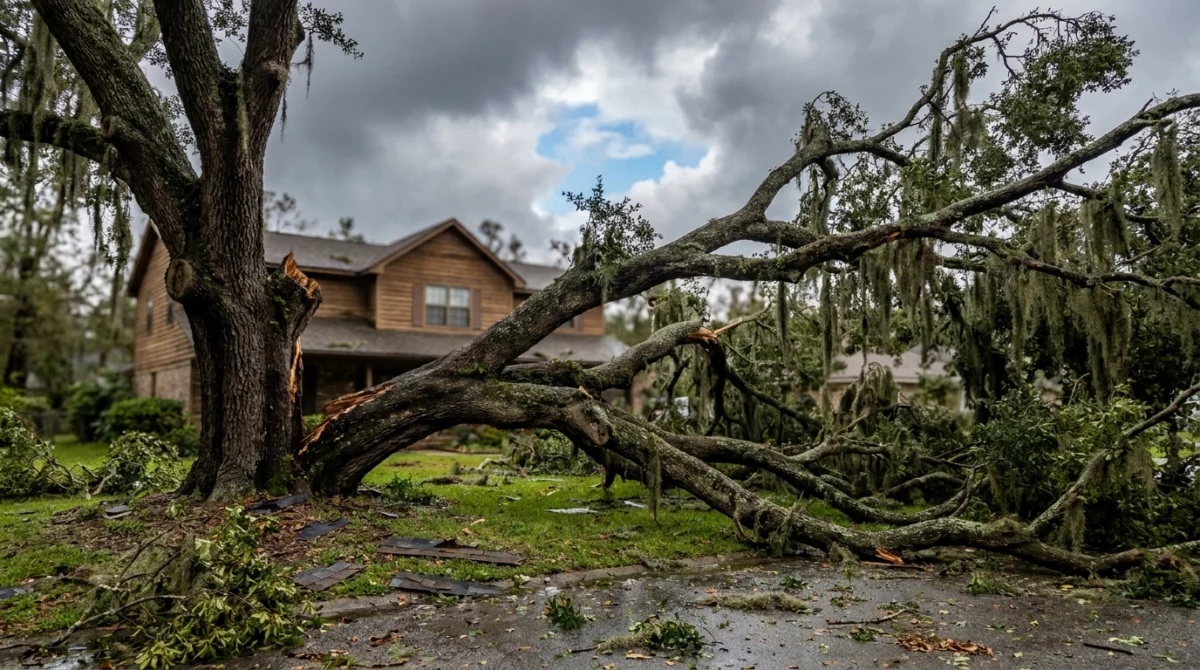
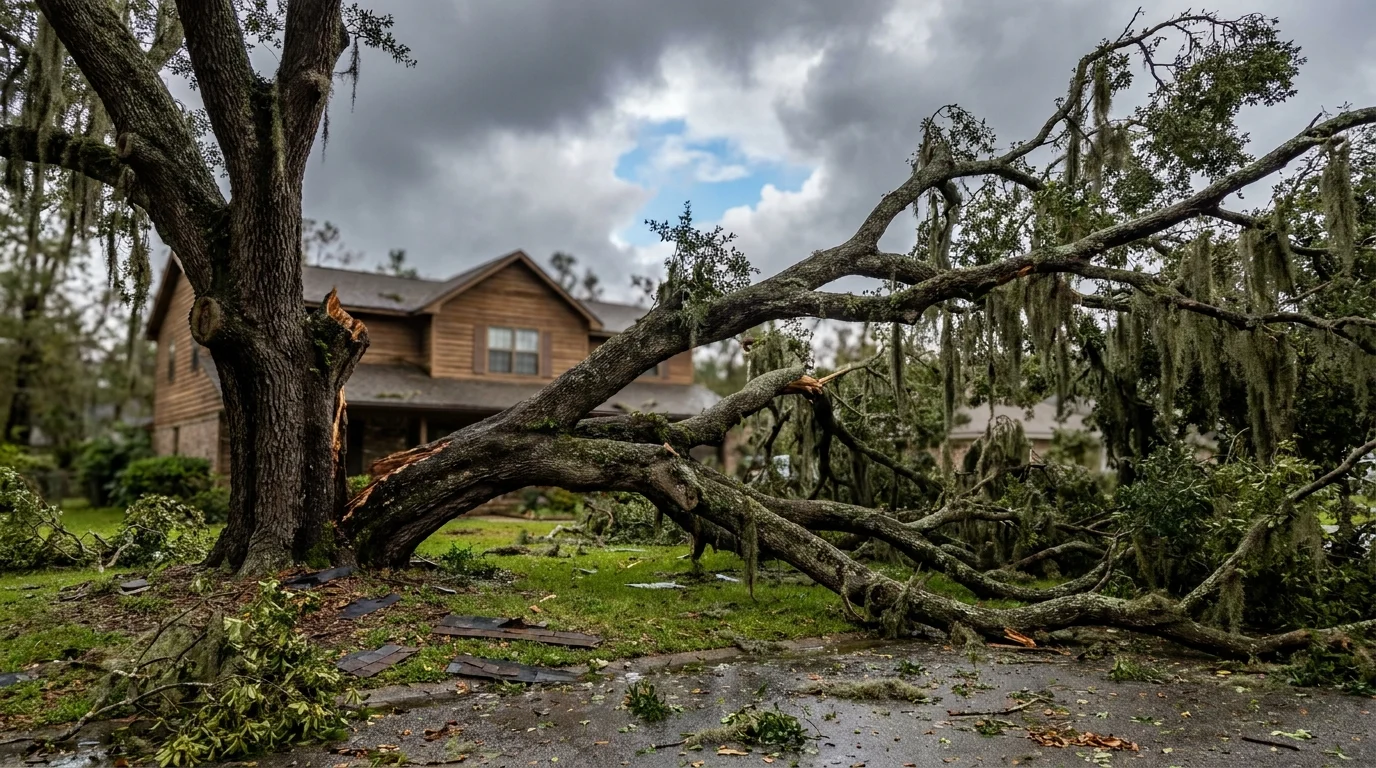
Storm damage is another clear reason to get help. Broken growth can hang overhead or stay caught in a tree, fence, or roofline. For high-wind damage and urgent cleanup, our storm damage and emergency tree service is available when conditions are safe to work.
We don’t walk up to every overgrown plant and say it has to go. Sometimes trimming is enough. Sometimes preservation makes more sense. Mike Williams provides direct field oversight and brings 20+ years of hands-on tree experience. Mary Gledhill coordinates scheduling and estimates, so you can get clear answers before work begins.
Frequently Asked Questions
Will shrubs grow back after shrub removal?
They can. Regrowth depends on the plant type, its age, and how much of the root system and root crown remains.
For vigorous woody plants, cutting alone may only provide a temporary fix. A stump killer isn’t a universal solution and may not address the full root system. Use it only according to the product label and applicable local rules. The removal plan should match what you want the bed to become next.
Can shrub roots damage a house or walkway?
Roots can crowd or lift shallow walkways, edging, and other hard surfaces. They can also worsen an existing crack, especially where soil shifts with moisture.
The risk depends on the plant, its distance from the structure, soil conditions, and drainage. Have the area inspected before digging near a foundation, drainage line, or large tree roots.
What should happen to the area after a shrub is removed?
After bush removal, you can mulch the bed, lay sod, repair drainage, replant, or leave the space open for a while. We often recommend checking for leftover roots, holes, uneven soil, and damaged irrigation before finishing the area.
A cleared bed gives you options. It shouldn’t leave behind a mower hazard or a low spot that holds water.
Is shrub removal safe during storm season?
Light work can be done in suitable weather. Crews shouldn’t work in lightning, strong winds, saturated soil, or unsafe access conditions.
If a shrub is weak, broken, or leaning after a storm, address it before the next weather window when conditions allow. Waiting can make a manageable removal harder.
A Clearer, Safer Yard Starts With a Good Look
Removing dense bushes often takes more than cutting branches, especially on older Effingham County lots with live oaks, pines, fences, homes, and nearby utilities. The right approach starts with an inspection, protects the parts of the yard worth keeping, and improves curb appeal.
We offer straightforward guidance on whether pruning is enough or full removal is the safer choice. Homeowners in Guyton, Rincon, Springfield, Bloomingdale, Richmond Hill, Pooler, Savannah, and nearby areas can request a free estimate when they’re ready to discuss the job.