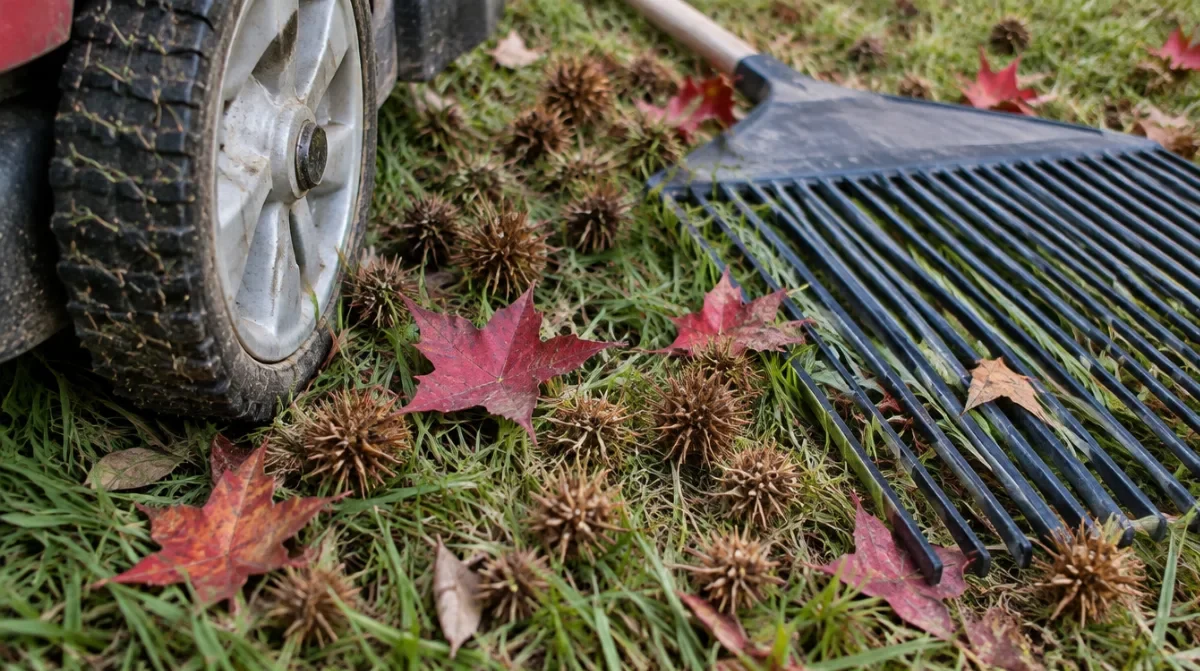
There is a particular sound a sweetgum ball makes when a riding mower throws it against a vinyl fence, and if you have one of these trees you know it. You also know what it feels like to step on one barefoot on the way to the mailbox.
Sweetgums are all over Effingham County and the Savannah area. They grow fast, they give great shade, and in October and November they put on some of the best fall color we get down here. They also drop thousands of spiky seed balls every single year, and by the time most people call us about it they have already lost patience.
We are LoyalTree LLC, family-owned out of Guyton. Mike Williams has 20+ years of hands-on tree experience. Here is a straight run at what your actual options are with a sweetgum, including the ones the internet oversells.
Key Takeaways
- Sweetgum balls are the tree’s seed pods, and a mature sweetgum will produce them every year.
- There is no spray, injection or pruning trick that reliably stops a big sweetgum from fruiting.
- Growth-regulator treatments exist, but they need precise timing by a licensed applicator and results vary a lot.
- Cleanup strategy, a sweeper attachment and mulching the drip line beat chasing a chemical fix.
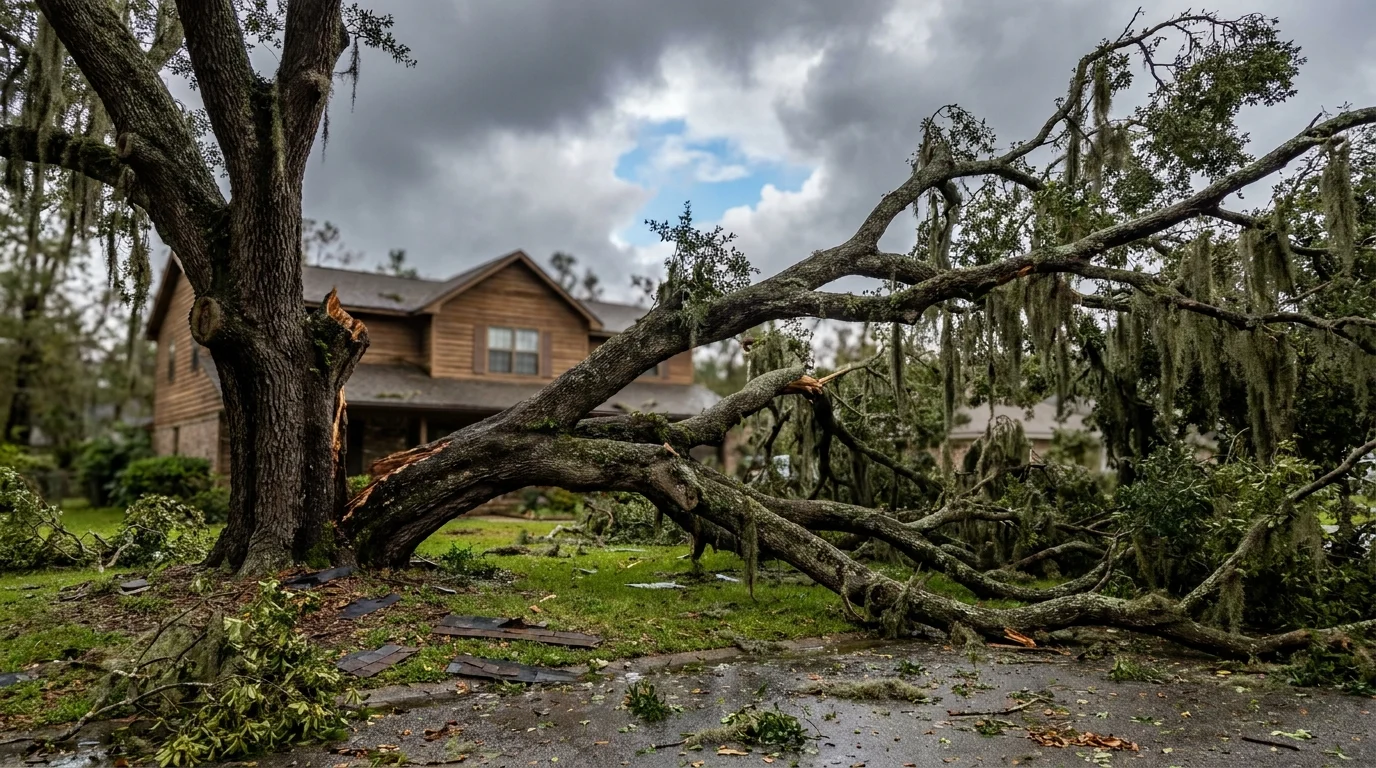
- Removal is a legitimate option when the tree is also declining, badly placed or dropping limbs, not just messy.
What Sweetgum Balls Actually Are
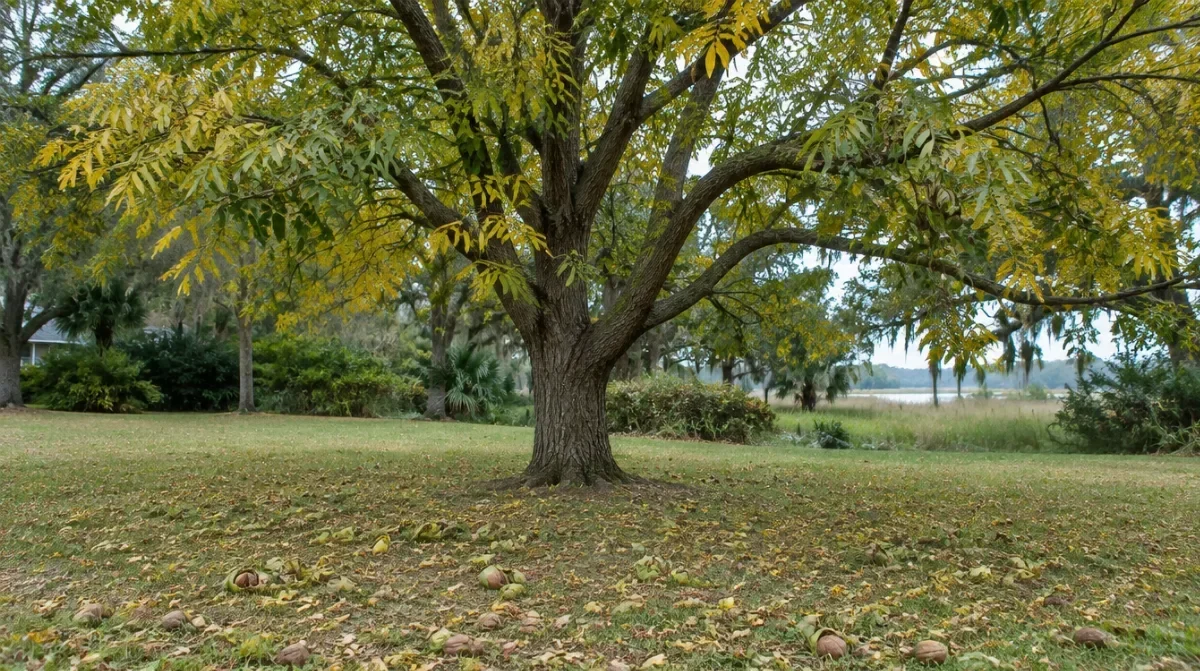
They are the fruit. A sweetgum flowers in spring, and each pollinated flower head develops into that hard, round, spiked cluster. Inside are dozens of small seeds that finches and other birds pick out over the winter. The ball itself is the empty husk, which is why they persist for a year or more on the ground without rotting.
They mature in fall, and most of the drop happens from late autumn through winter and into early spring. A big one on a mature tree can shed for months, which is why it feels like it never ends. Sweetgums generally start producing at 20 to 30 years old, so a tree that has been clean since you moved in can start on you later.
Why People Get Rid of Them, and Why They Keep Them
The complaints are real, and they are not only about tidiness:
- They hurt. Barefoot, on a driveway, in a flip-flop, they genuinely cause injuries, and they are worse for older folks and anyone unsteady on their feet.
- They wreck mowers. Hard, dense and everywhere, they dull blades and get flung at cars, windows and siding.
- They roll. A layer on a sloped concrete drive is a fall hazard.
- They clog. Gutters, downspouts, pool skimmers, drainage grates.
- They do not break down. Unlike leaves, they sit there until you remove them.
On the other side, a sweetgum is a genuinely good shade tree. Fast growth, tolerant of our wet spells, strong fall color in reds and purples, and wildlife value. Plenty of people decide the pods are simply part of owning one and keep the tree. That is a reasonable call.
Can You Stop a Sweetgum From Making Balls?
Here is the honest version, because there is a lot of bad advice out there.
Growth regulator treatments
There are plant growth regulators labeled for reducing fruit set on ornamental trees, and sweetgum is on some of those labels. They work by interfering with flowering, which means they have to be applied in a narrow window at bloom, before the fruit sets. Miss the window and the application does nothing at all.
Results in the real world are inconsistent. Some trees respond well, some barely at all, and coverage on a large mature tree is the hard part. It also has to be repeated every year. Trunk-injected versions are professional-only, and getting spray coverage on a big mature tree takes commercial equipment. If you want to pursue it, talk to a licensed pesticide applicator or your UGA county extension office about timing for our area.
Pruning
Pruning does not stop fruiting. You could theoretically remove enough of the canopy to reduce total pod count, but at that point you have damaged a healthy tree to solve a raking problem. And if the pruning goes far enough to matter, you are into tree topping territory, which we will not do. Topped trees respond with dense weak regrowth, which on a sweetgum often means more flowering surface, not less.
Sterile varieties
There are fruitless sweetgum cultivars sold for exactly this reason. That is a planting decision, not a fix for the tree you already have. Worth knowing if you are replacing one.
The Realistic Plan
Most people land here, and it works better than it sounds:
- Mulch under the drip line. Turn the ground under the tree into a wide mulched bed instead of lawn. Pods disappear into mulch, nobody walks there, and the mower never goes in. This is the single biggest quality-of-life improvement, and the tree likes it too.
- Get a lawn sweeper or a nut roller. A push nut gatherer or a tow-behind sweeper picks up thousands of pods in minutes. Trying to rake them is why people give up.
- Keep hard surfaces clear. Driveway, walkways, steps, pool deck. That is where the injuries happen. Blow or sweep them weekly during the drop.
- Clean the gutters twice in the season. Once in late fall and once in late winter. Pods plus pine straw is the combination that overflows a gutter all winter.
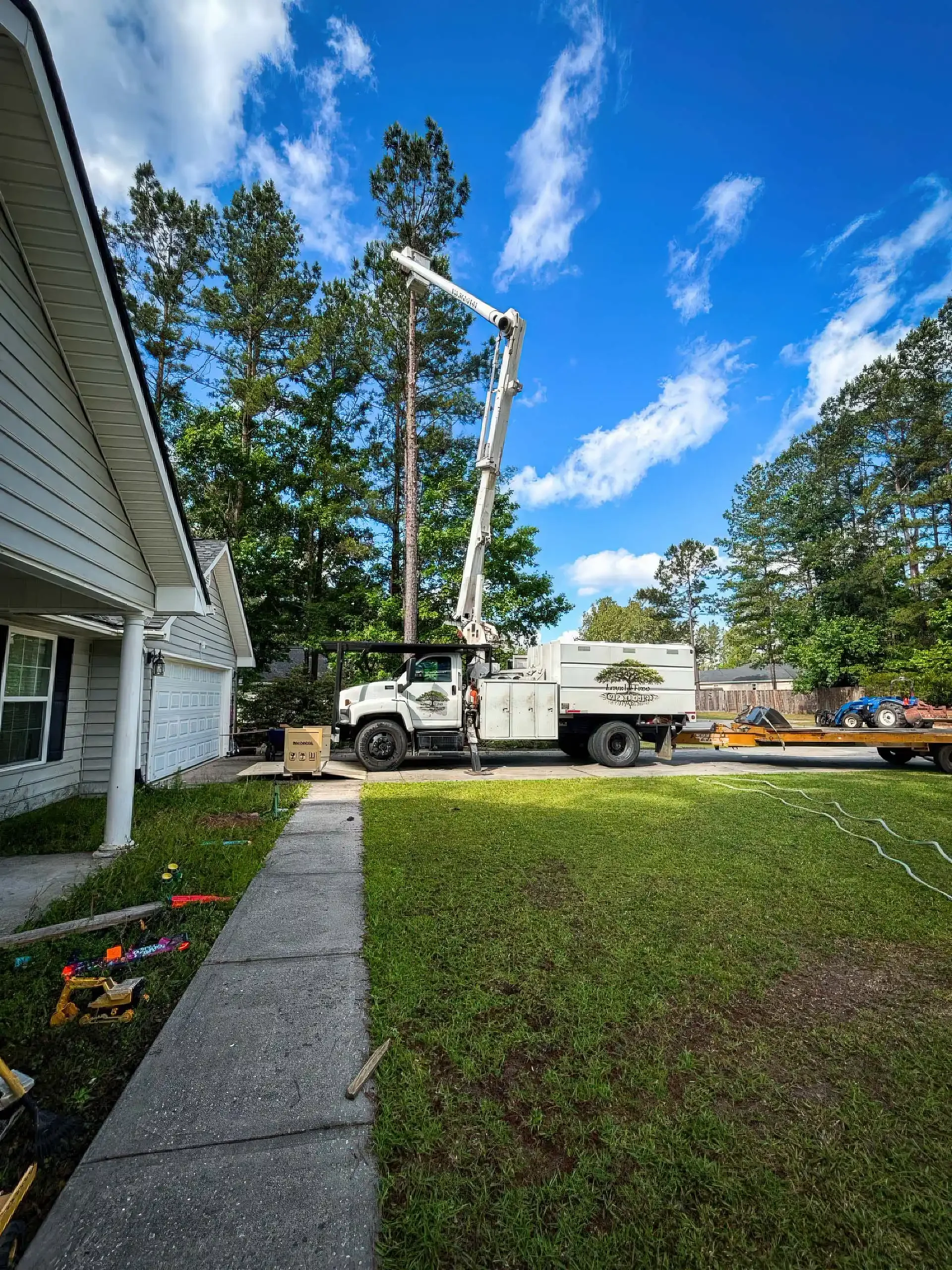
- Keep limbs off the roof. A limb hanging over a roof valley delivers pods and leaves straight into the gutter. Raising and clearing those limbs is normal tree trimming work and it cuts the mess meaningfully.
When Removal Actually Makes Sense
We are not going to talk you into cutting down a healthy shade tree over seed pods. But there are situations where removal is the right answer and the pods are just the last straw:
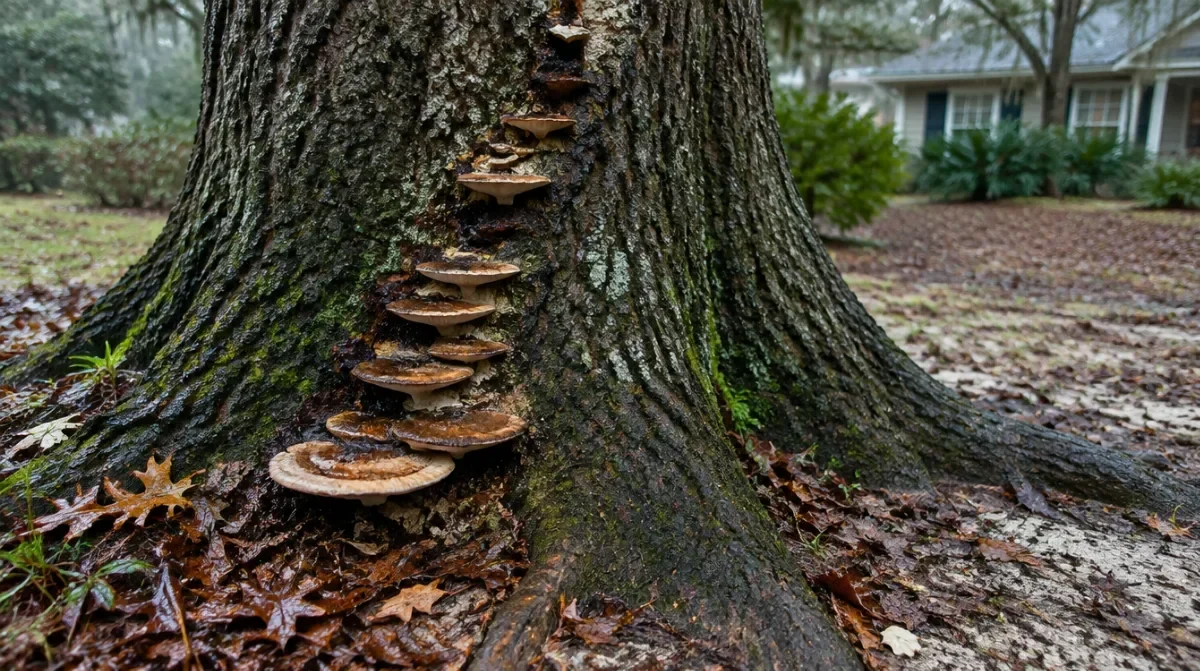
- The tree is in decline, with crown dieback, large deadwood or fungus at the base.
- It is too close to the foundation, the septic field or the driveway. Our guide on trees too close to the house covers the spacing question.
- It has a weak codominant fork over a structure, which sweetgums do get.
- The yard is used hard by kids or by somebody with mobility issues, and the pod load makes it unusable.
- You are re-landscaping anyway and it is the right moment.
If it comes out, know that sweetgum roots sucker. You can get sprouts coming up in the lawn from the old root system for a season or two. Grinding the stump helps, and there is more on that in stump grinding versus stump removal and in do tree stumps grow back.
What to Plant Instead
If you want shade without the pods, good coastal Georgia choices include live oak if you have the room, Nuttall oak, southern magnolia, bald cypress, red maple and American holly. Fall is a solid planting window here, since roots keep working through our mild winter and the tree gets established before next summer’s heat.
Frequently Asked Questions
Do sweetgum trees drop balls every year?
Once mature, yes, though the volume varies year to year with the spring weather at bloom time. A late freeze during flowering can knock back a year’s crop.
When do sweetgum balls fall in Georgia?
They ripen in fall and drop mostly from late autumn through winter into early spring. It is a long, slow shed rather than a single event, which is part of why it wears people down.
Is there a spray that stops sweetgum balls?
There are growth regulators labeled for fruit reduction, applied in a tight window at mid to full bloom. They can reduce the crop, they do not eliminate it, results vary by tree, and it has to be repeated annually.
Are sweetgum balls good for anything?
Birds eat the seeds through winter. People use the dried husks in craft and holiday decorating, and some folks spread them in beds as a deterrent to animals digging. Composting them is slow because they are so woody.
Will cutting the tree back reduce the balls?
Not usefully. You would have to remove so much canopy that you damage the tree, and hard cutting often triggers dense regrowth that flowers heavily once it matures.
Decide Whether You Are Keeping It
The sweetgum question usually comes down to one thing: is this a tree you actually want, aside from the pods. If it is healthy, well placed, and giving you real shade on the west side of the house, mulch under it, buy a sweeper, and stop fighting it.
If it is also declining, badly placed, or dropping limbs, the pods are not the problem and you should get the whole tree looked at.
Either way we will tell you straight. Request a free estimate or call (912) 342-0440 and we will come look at it.